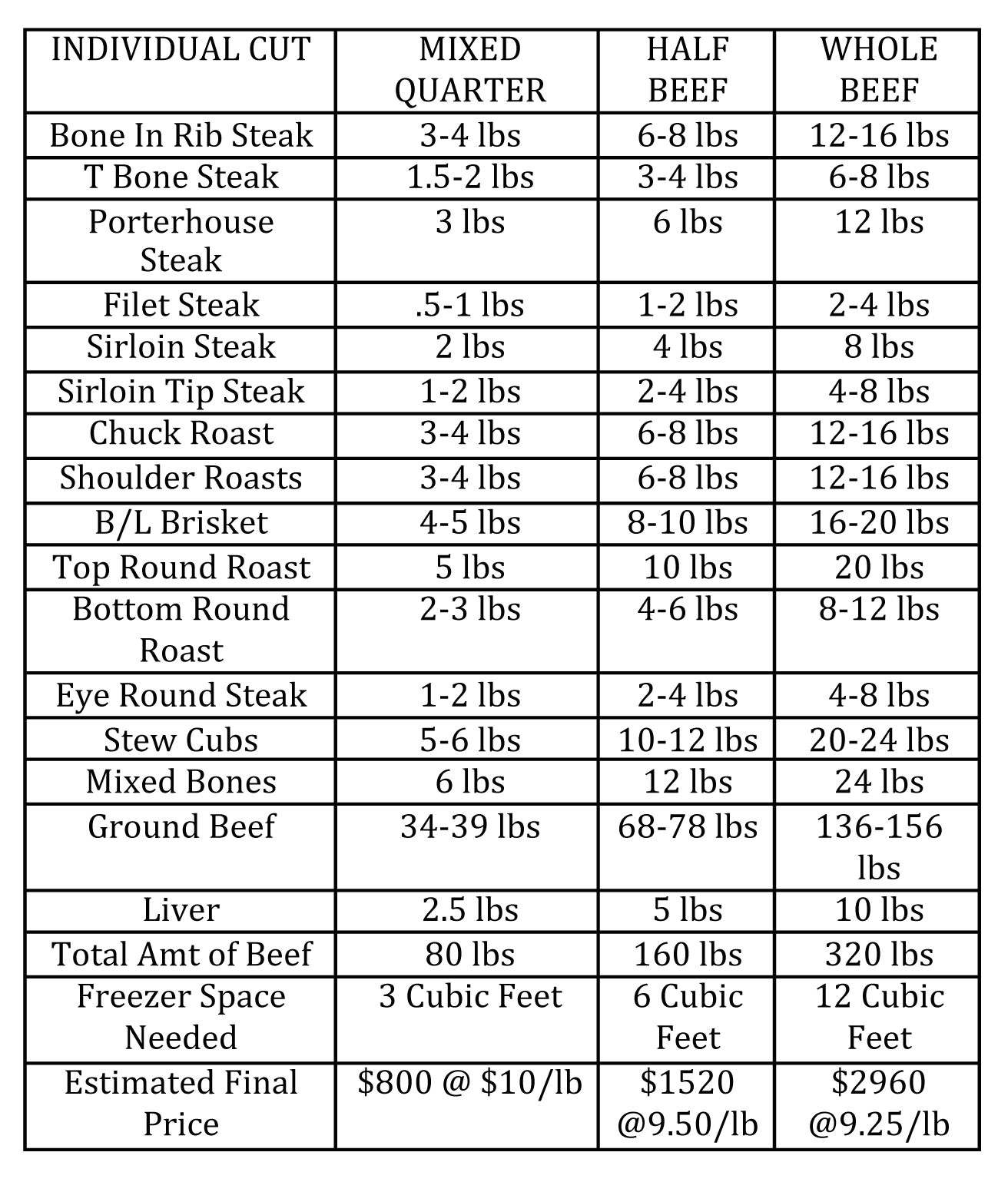
Buying a side of beef directly from a local rancher or custom butcher is one of the smartest investments you can make for your kitchen and your grocery budget. Getting that phone call from the meat processor asking for your specific instructions can feel intimidating if you do not know the trade terminology. Having a clear 1 2 beef cut list ready before you pick up the phone ensures you receive exactly what your household loves to eat without wasting an ounce of quality meat.
A half cow, commonly called a side of beef, yields a balanced mix of premium steaks, hearty pot roasts, lean stew meat, and everyday ground burger. Walking through your cut sheet section by section helps you customize every thickness, bone-in preference, and packaging size with confidence.
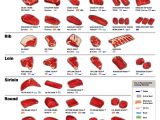
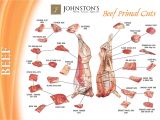
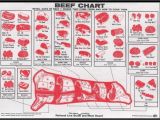
half cow cuts of beef pictures to pin on pinterest pinsdaddy from 1 2 beef cut list
Understanding the Forequarter Cuts
The front half of the animal carries the muscles that work hard every day. These cuts offer rich flavor, generous marbling, and plenty of collagen that breaks down wonderfully during low and slow cooking.
Chuck Section
The chuck yields some of the coziest comfort food cuts on your entire cut sheet.
Chuck Roasts: Standard practice gives you three to four thick roasts perfect for the slow cooker or Dutch oven.
Flat Iron Steaks: Extremely tender steaks cut from the top blade muscle, ideal for quick grilling or cast iron searing.
Chuck Eye Steaks: Often referred to as the poor man ribeye because it sits right next to the rib primal and shares similar rich marbling.
Stew Meat: Any trim from the chuck makes tender, rich stew meat or high-grade burger grind.
Rib Primal
This is where some of your most valuable, highly prized cuts live.
Ribeye Steaks: You can request these cut bone-in (often called rib chops or cowboy steaks) or boneless. A thickness of one and a quarter inches to one and a half inches gives the best cooking control.
Prime Rib Roast: If you prefer holiday roasts over individual steaks, ask the butcher to leave the rib primal whole or cut into two standing rib roasts.
Back Ribs: Great for the backyard smoker, though keep in mind beef ribs have less meat on top compared to pork ribs because the butcher leaves that meat on the ribeye.
Brisket and Shank
Whole Packer Brisket: You can request this kept whole with the flat and point intact for Texas-style smoking, or divided into smaller family-friendly roasts.
Soup Bones and Osso Buco: The beef shanks can be sliced crosswise into disks for braising, or stripped clean for burger grind while saving the marrow bones for homemade broth.
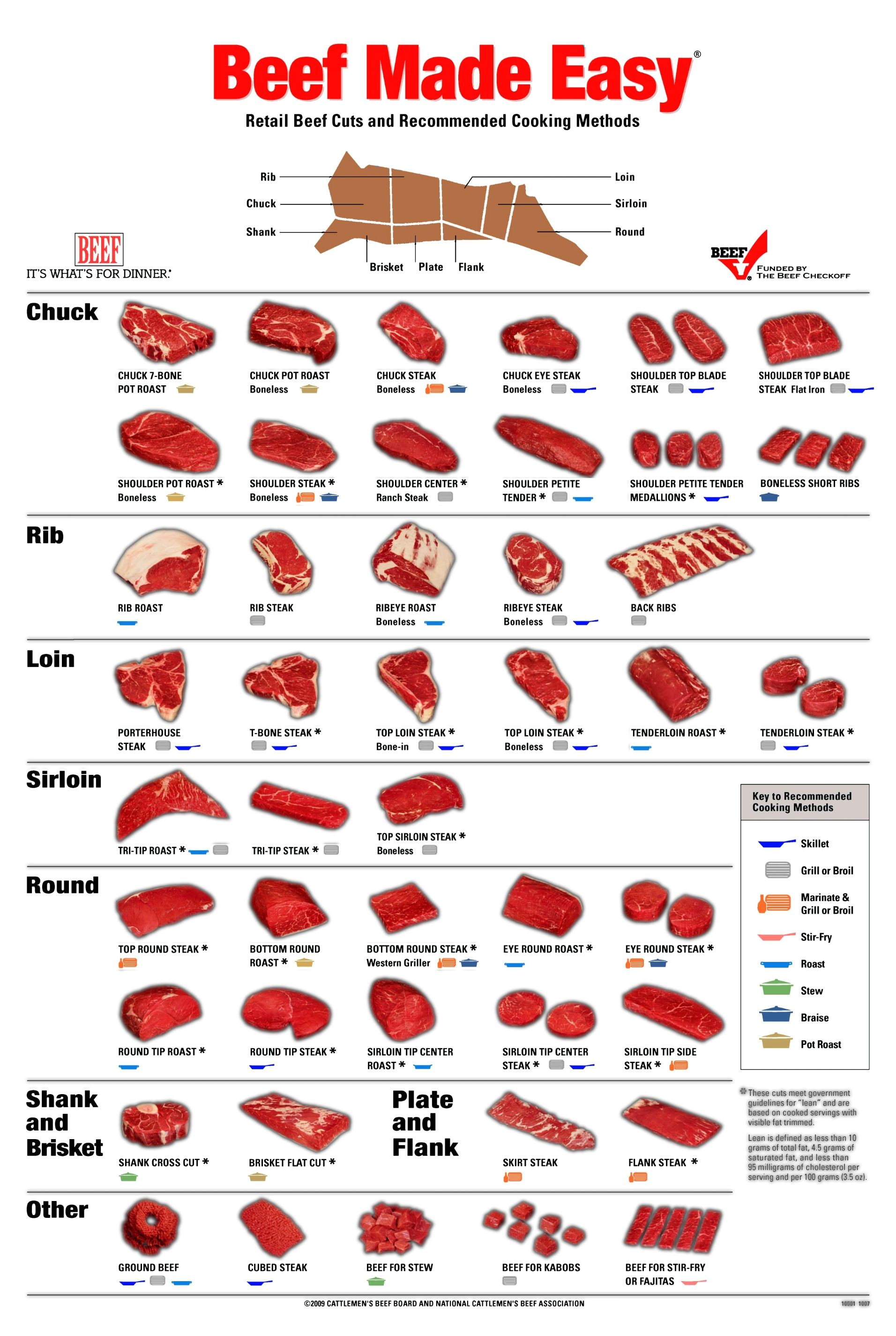
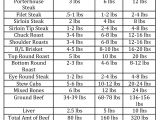
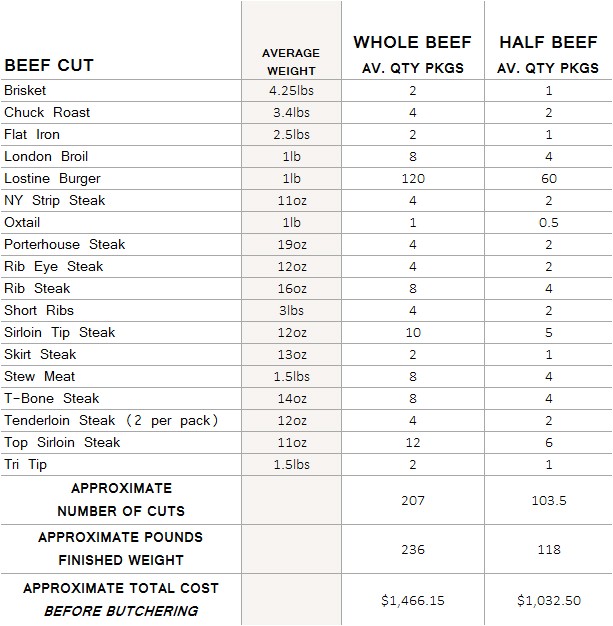
i wanted to know more about cuts off beef i found this from 1 2 beef cut list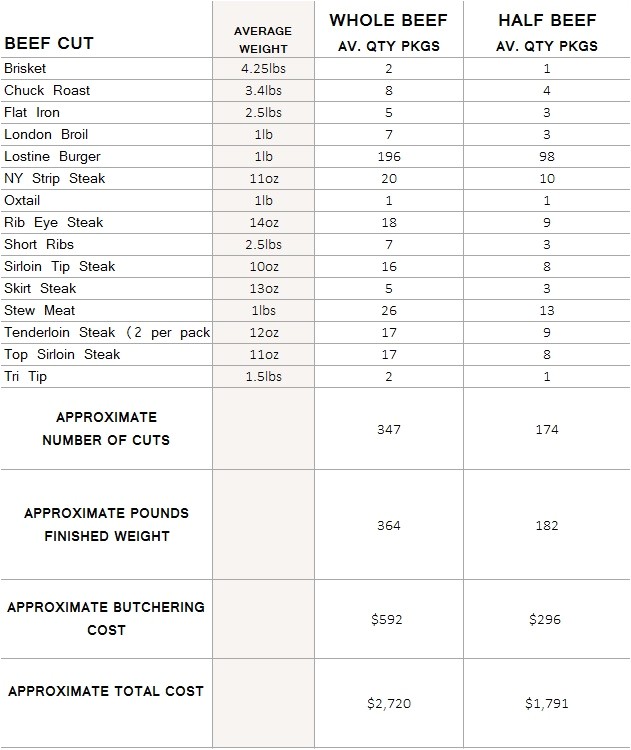
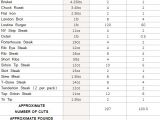
whole half beef program lostine cattle company from 1 2 beef cut list
Mastering the Hindquarter Cuts
The hindquarter contains leaner roasts alongside the most tender, premium grilling steaks that usually carry the highest price tags at the grocery store meat counter.
Loin Section
The loin gives you the choice between classic bone-in steakhouse cuts or separated boneless portions.
T-Bone and Porterhouse Steaks: If you love bone-in cuts, keeping the short loin intact gives you both. The porterhouse features a generous piece of tenderloin filet, while the T-bone contains a smaller filet section.
NY Strip and Filet Mignon: If you prefer boneless grilling, have the processor bone out the strip loin into New York strip steaks and package the tenderloin separately as individual filet mignons or whole tenderloin roasts.
Sirloin Section
Top Sirloin Steaks: Lean, hearty, and full of beefy punch. These are fantastic weeknight dinner steaks or sliced thin for stir-fries and fajitas.
Sirloin Tip Roasts: Lean and round, perfect for slow roasting to medium-rare and slicing paper-thin for hot roast beef sandwiches.
Picanha or Coulotte: Ask your butcher if they can separate the top sirloin cap with its fat layer left intact for skewering over open coals.
Round Section
The round comes from the rear leg muscles and represents the leanest portion of the animal.
Top Round and Bottom Round: Best utilized as London broil, deli-style roast beef, or cubed cube steaks for country fried steak.
Eye of Round: A very lean cylindrical cut that performs well with sous vide cooking or turning into homemade jerky.
Grind Alternative: If your family rarely cooks lean pot roasts, instruct your butcher to grind the entire round primal directly into extra-lean ground beef.
Trimmings, Ground Beef, and Specialty Items
Your scrap trimmings tie the entire half cow order together and fill your freezer with everyday staples.
Ground Beef Ratio and Packaging
Ground beef makes up roughly thirty to forty percent of your total take-home yield.
Fat Ratio: A typical custom butcher blend runs around 80/20, which gives incredible moisture for burgers and meatballs without swimming in grease.
Package Weight: One-pound packages offer the most flexibility for small households, while two-pound packages suit larger families cooking batch meals.
Pre-Formed Patties: Many butchers offer patty-making services for a modest fee per pound, layered with wax paper for easy campfire or grill sessions.
Short Ribs and Flank
Short Ribs: You can request English cut (thick individual blocks for braising in red wine) or flanken style (thin crosscut strips across the bones for Korean barbecue marinades).
Flank and Skirt Steak: Classic long-grain steaks that absorb citrus marinades quickly and shine when sliced against the grain for tacos.
Bones, Fat, and Offal
Never leave behind the parts you already paid for on the hanging scale.
Marrow Bones and Knuckles: Ask for canoe-cut marrow bones for roasting, and knuckle bones for boiling nutrient-dense bone broth.
Beef Suet: Raw kidney fat renders down into pure beef tallow, an incredible stable cooking fat for frying potatoes or searing steaks.
Liver, Heart, and Tongue: Even if you do not plan to eat organ meats directly, beef liver and heart can be ground into your burger blend at a subtle five percent ratio for an easy nutritional boost.
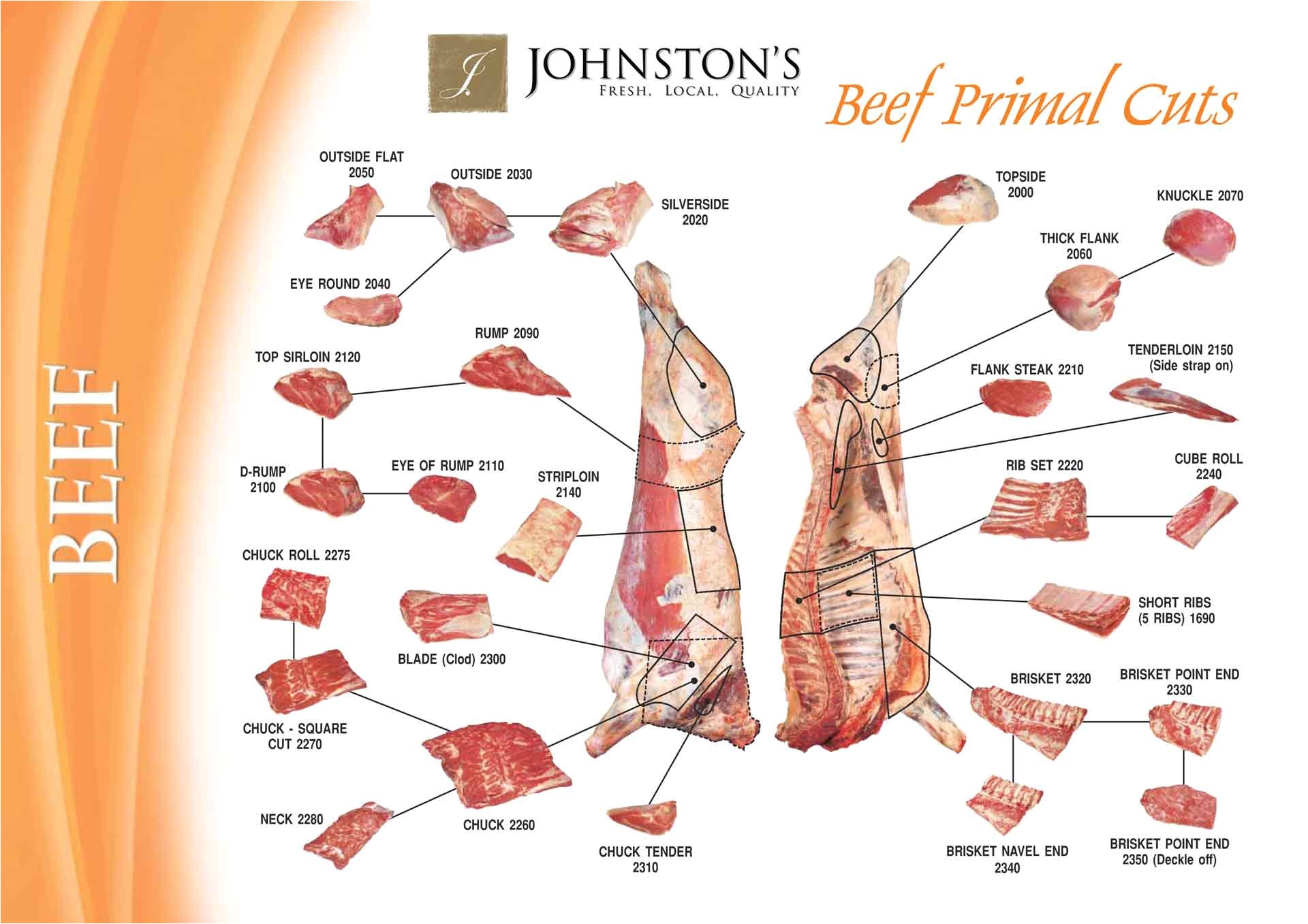
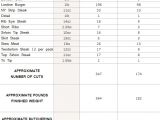
custom beef instructions forms johnston 39 s from 1 2 beef cut list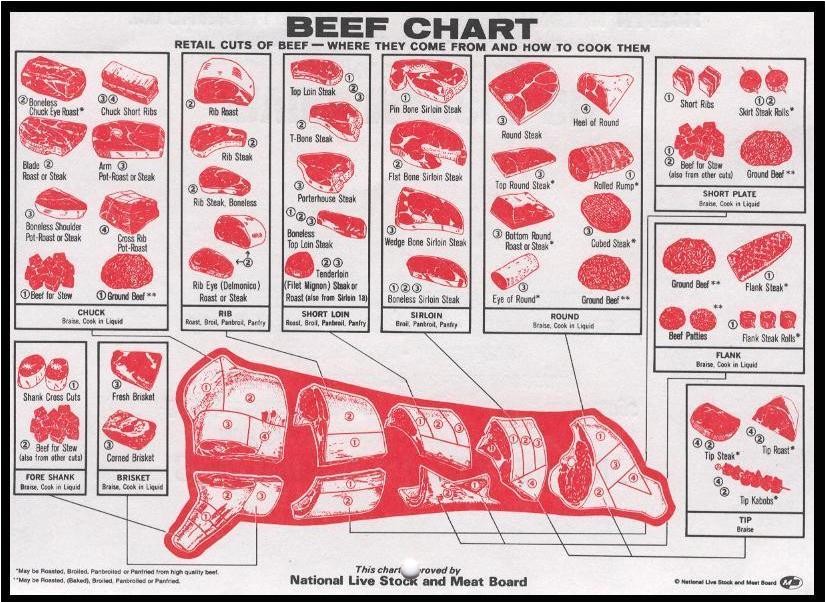
emskr different types of steak everymanshouldknow from 1 2 beef cut list
How to Fill Out Your 1 2 Beef Cut List
When your processor hands you the standard worksheet, follow these simple rules of thumb to avoid common mistakes:
First, determine your steak thickness upfront. Standard retail cuts measure three-quarters of an inch, which cooks through too fast. Requesting one and a quarter inches ensures you can achieve a deep brown crust outside while keeping the center juicy and pink.
Second, specify steak packaging counts per wrap. If you usually cook for two people, make sure your butcher packages two steaks per vacuum-sealed pouch rather than four, preventing unnecessary food waste.
Third, specify your roast sizes. A three-pound roast comfortably feeds a family of four with enough left over for lunch the next day, whereas a four to five-pound roast works better for Sunday family gatherings.
Keeping this practical plan in mind turns the intimidating butcher sheet into a straightforward checklist, stocking your freezer with customized, nutrient-dense beef tailored specifically to your family kitchen.