Walk into any quilt shop or browse an antique textile market, and you will quickly notice how certain vintage patterns bring an immediate sense of warmth and history. Among the most cherished materials in American textile history are Depression-era prints. Today, sewists and crafters everywhere are actively hunting for feedsack fabric by the yard to recreate timeless heirlooms, patch together cozy quilts, or stitch everyday household accents.
Whether you are restoring an authentic family quilt or starting a fresh project inspired by rural American history, sourcing feedsack fabric by the yard requires a little background knowledge on what makes this material so special and where the best cuts are hiding.
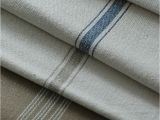
feed sack fabric by the yard feedsack fabric from feedsack fabric by the yard
The Enduring Appeal of Feedsack Prints
During the Great Depression and World War II, feed and grain companies realized that women were using coarse cotton packaging to sew clothes, dish towels, and bedding. To attract rural homemakers, manufacturers began printing cheerful florals, novelty motifs, and geometric patterns directly onto the cotton sacks.
Once emptied of flour or animal feed, these colorful sacks became valuable household staples. Women soaked out the chain stitching, laundered the cotton soft, and transformed humble sacks into everyday treasures. Modern makers love this aesthetic because it carries an unmistakable spirit of thrift, creativity, and resilience.
Sourcing Authentic Vintage Feedsack Fabric by the Yard
Finding authentic vintage feedsack fabric by the yard can be a rewarding treasure hunt, though it comes with a few quirks:
Understanding original dimensions: True vintage feed sacks were sold as individual rectangular bags, not continuous bolts. When opened flat, an intact sack usually yields about one yard of cotton measuring roughly thirty-six by forty-four inches.
Uncut yardage is rare: Because original sacks were packaged individually, finding multiple continuous yards from the exact same sack is uncommon. When antique vendors list vintage feedsack fabric by the yard, they are usually offering single whole sacks or yard-long cuts from large personal estates.
Estate sales and online vintage sellers: Antique malls, thrift auctions, and specialty vintage sellers on platforms like Etsy or eBay remain the most reliable places to source genuine mid-century feed sacks. Always inspect photos closely for remaining stitch holes, faded fold lines, or faint paper label glue.
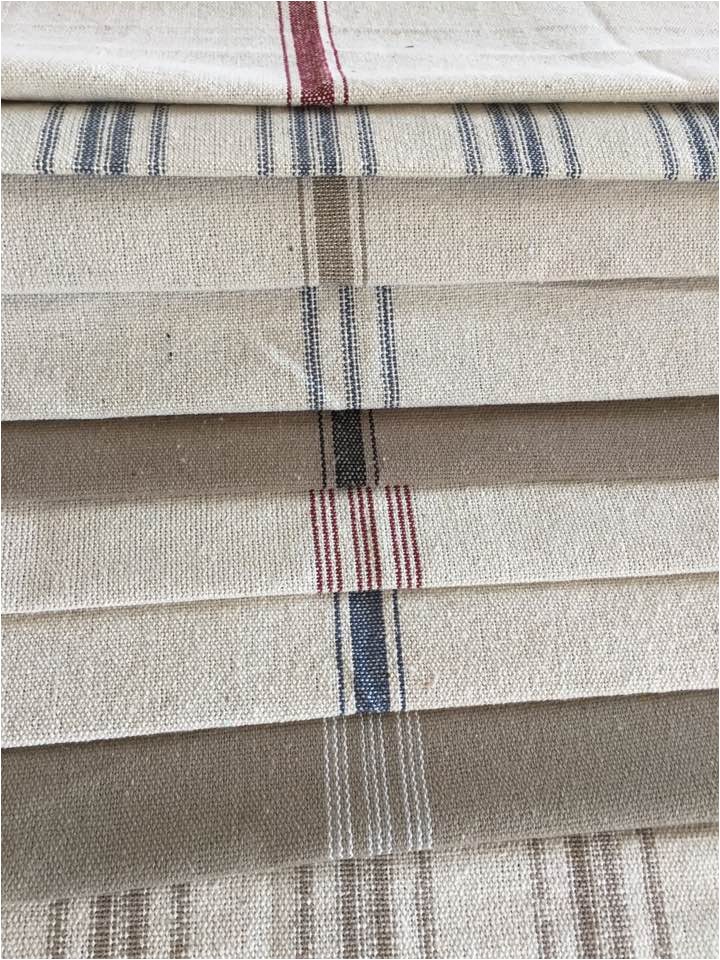
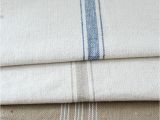
feed sack fabric by the yard from feedsack fabric by the yard
Modern Reproductions: The Best Way to Buy Continuous Yardage
If your sewing design calls for four, five, or ten continuous yards of material, true vintage sacks might not fit the bill. Thankfully, modern textile companies have stepped in to fill the gap.
Several reputable quilt fabric manufacturers reproduce authentic 1930s prints on modern premium cotton bolts:
Continuous cut convenience: Reproduction fabrics come rolled on bolts, meaning you can order genuine feedsack fabric by the yard in any continuous length required for borders, backings, and long table runners.
Standard forty-four inch widths: Modern machinery ensures clean, uniform selvedges and standard widths that make rotary cutting straightforward.
Consistent fiber strength: While vintage cotton is often sturdy, decades of storage can sometimes cause dry rot or weak spots. Modern reproduction yardage guarantees fresh, resilient fibers that can handle everyday washing and heavy quilt use.
What to Look for Before You Buy
To ensure you receive the right material for your intended pattern, keep these checkpoints in mind:
Fiber content: Authentic feed sacks and quality reproductions are always one hundred percent cotton. Avoid polyester blends, as they behave differently during pressing and shrinkage.
Weave tightness: True feed sack cloth had a slightly visible weave, softer than canvas but sturdier than lightweight voile. High-grade reproduction cotton mimics this balance without feeling stiff.
Colorfastness: If you purchase genuine vintage sacks, test a small corner with cold water before cutting to confirm the dye will not bleed into lighter neighboring blocks. Reproduction yardage from major quilt fabric mills is factory-tested for modern wash cycles.
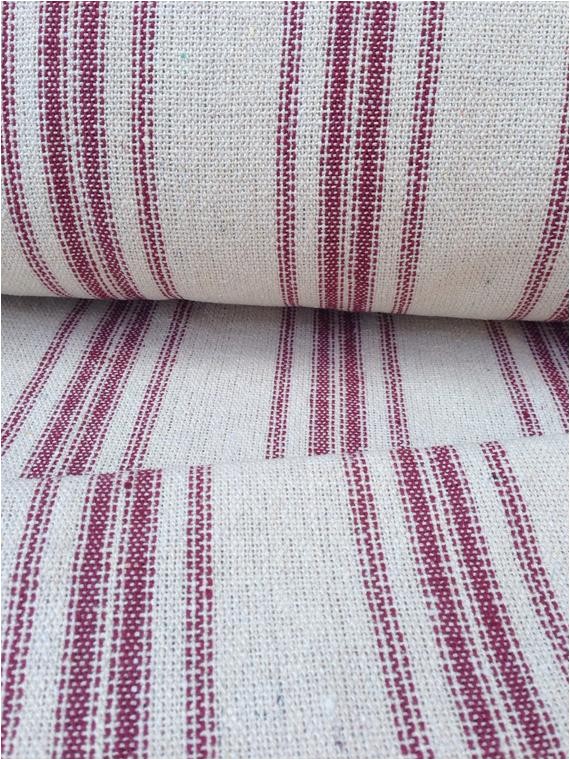
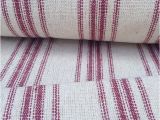
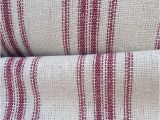
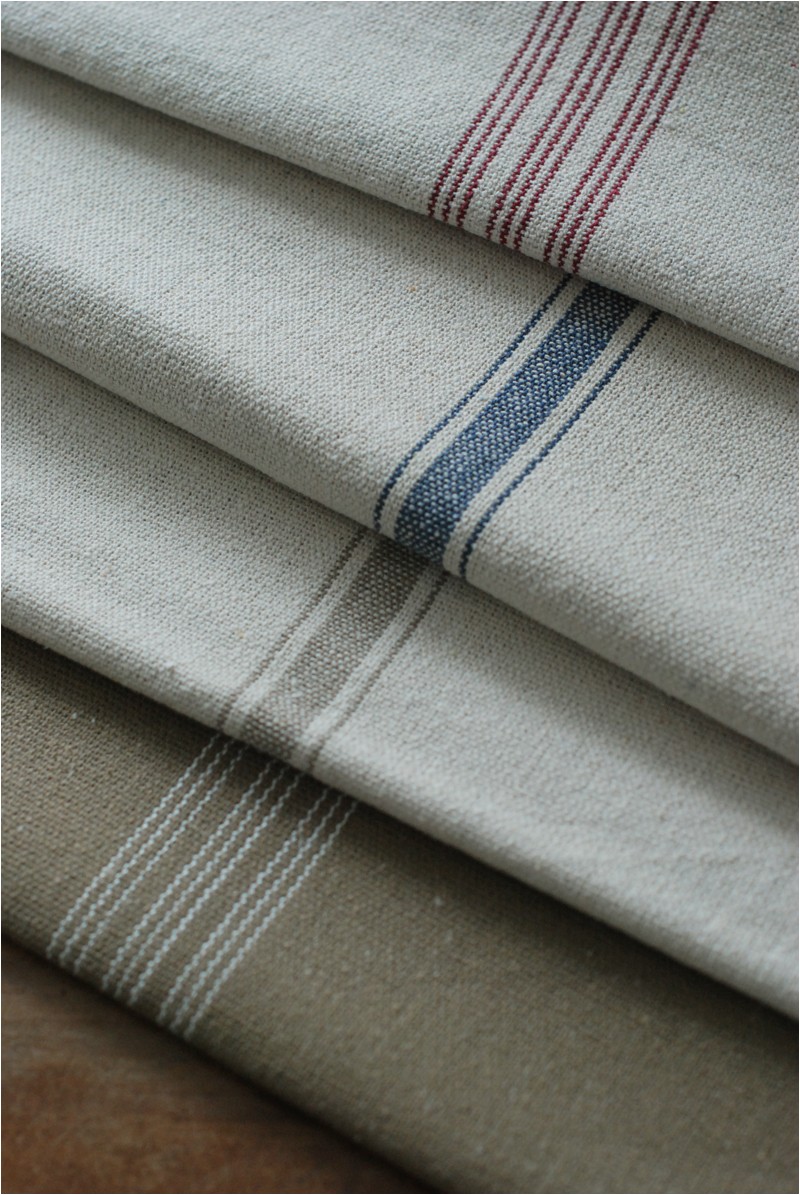
grain sack fabric red stripes vintage inspired sold by the from feedsack fabric by the yard
Best Projects for Feedsack Prints
Once your feedsack fabric by the yard arrives at your cutting table, the creative possibilities are wide open:
Classic 1930s quilt blocks: Patterns like Dresden Plates, Sunbonnet Sue, Grandmother’s Flower Garden, and simple nine-patch blocks highlight vintage florals beautifully.
Kitchen accessories: Make everyday tea towels, unpaper towels, quilted potholders, and bread basket liners that bring cheerful retro character into modern kitchens.
Pillow covers and curtains: Cheerful feedsack prints add subtle rustic charm to country cottages, modern farmhouses, and cozy reading nooks.
Aprons and tote bags: Medium-weight cotton stands up to daily wear while keeping a soft, comfortable drape.
Embracing feedsack prints connects your needlework to generations of resourceful quilters. Whether you track down authentic vintage sacks or stock up on vibrant reproduction yardage, these timeless patterns bring enduring character to every stitch.
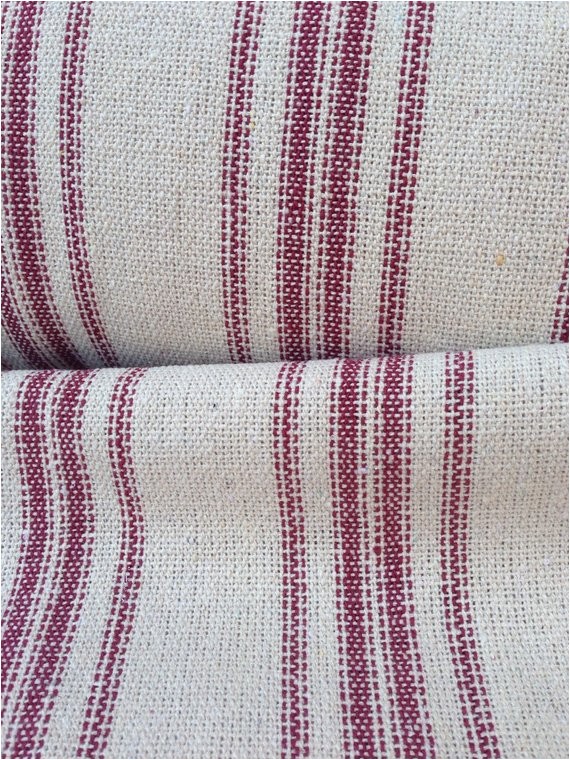
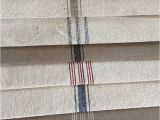
grain sack fabric sold by the yard red stripes vintage from feedsack fabric by the yard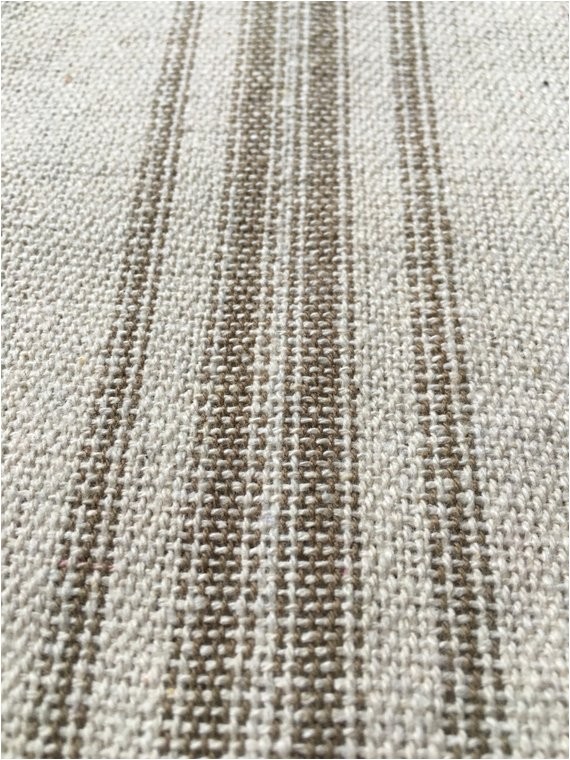
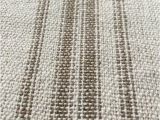
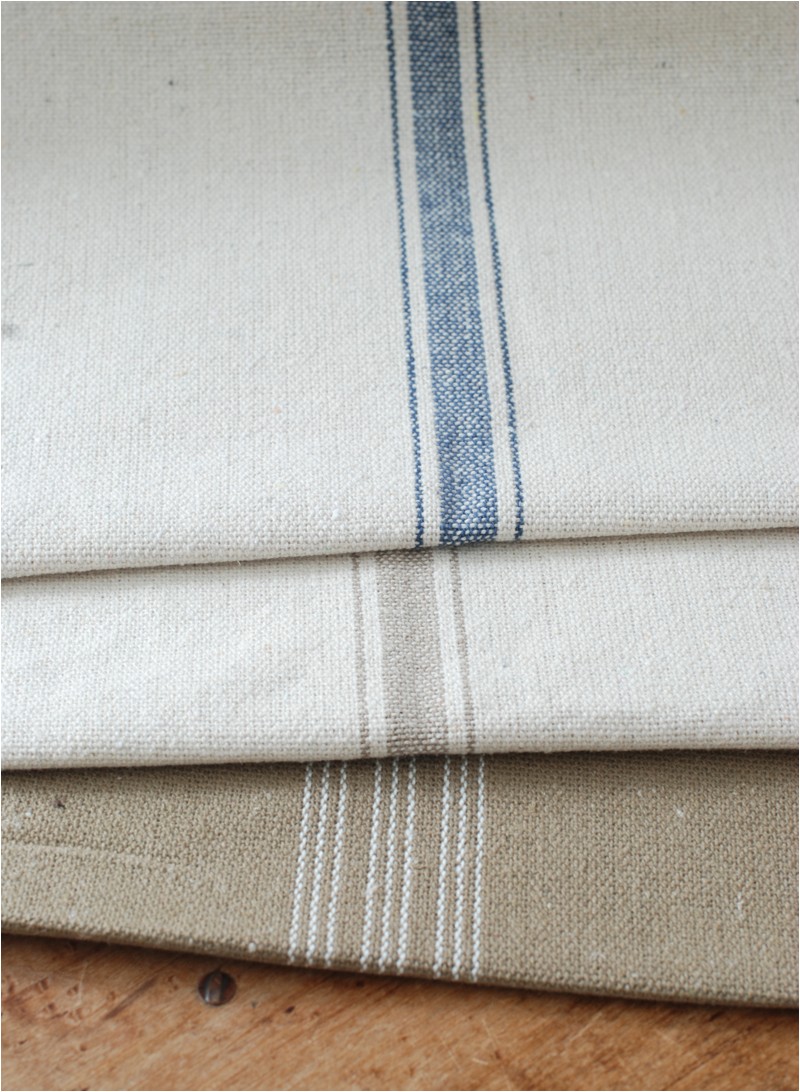
grain sack fabric tan stripes vintage inspired sold by the from feedsack fabric by the yard