Applying lawn food, weed preventer, or grass seed requires accurate distribution to protect turfgrass from chemical burn or spotty growth. A dependable Scotts spreader settings comparison chart removes guesswork when switching between granular products and application equipment. Homeowners often run into confusion when a fertilizer bag only lists numbers for brand-specific tools, leaving users to estimate dial positions for rotary or drop mechanisms.
Dial numbers are not arbitrary weights; they represent how far an internal hopper gate slides open. Because granule density and particle diameter vary between brands like Scotts, Lesco, EarthWay, and Chapin, understanding this calibration protects your investment in lawn maintenance.
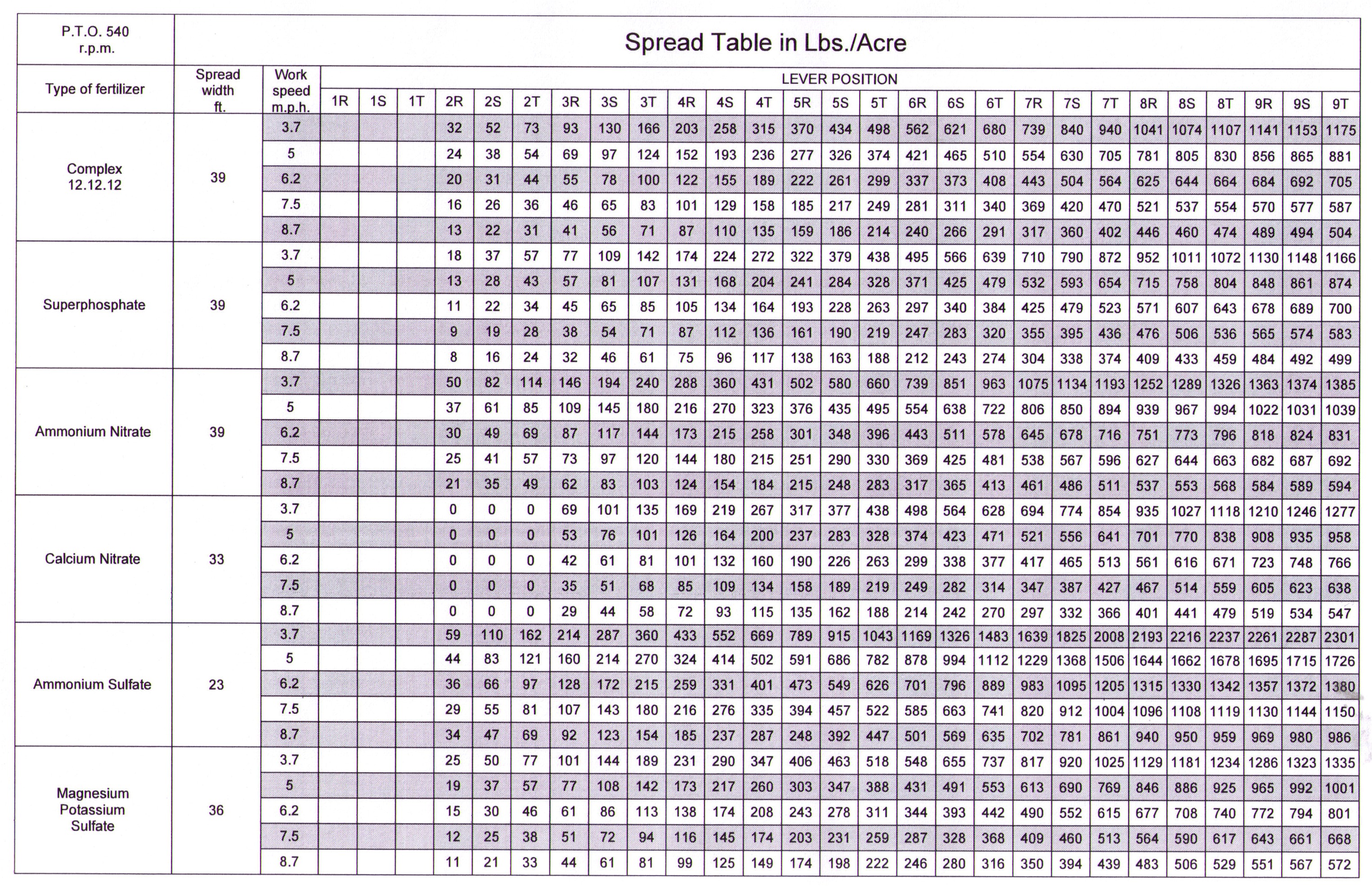
do you know how many people show up at scotts broadcast from scotts spreader settings comparison chart
Understanding Your Scotts Spreader Model
Scotts manufactures two primary walk-behind equipment styles alongside smaller handheld tools. Dial dials behave differently across these categories because of gate mechanics and swath patterns.
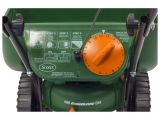
The rotary broadcast family includes popular models such as Turf Builder EdgeGuard Mini, EdgeGuard DLX, and Elite. These broadcast models cast granules across an arc spanning roughly five feet. The EdgeGuard feature drops a deflector shield along the right side, blocking material from throwing onto driveways, garden beds, or sidewalks.
The classic drop spreader, represented by the Classic Drop line, drops material directly beneath the hopper across an exact twenty-two-inch path. Drop units offer pinpoint precision near decorative borders and water features, eliminating drift risk completely.
Handheld models like the Whirl hand-powered spreader operate on an abbreviated numbered scale, typically from one to five, making them ideal for small patches under one thousand square feet.
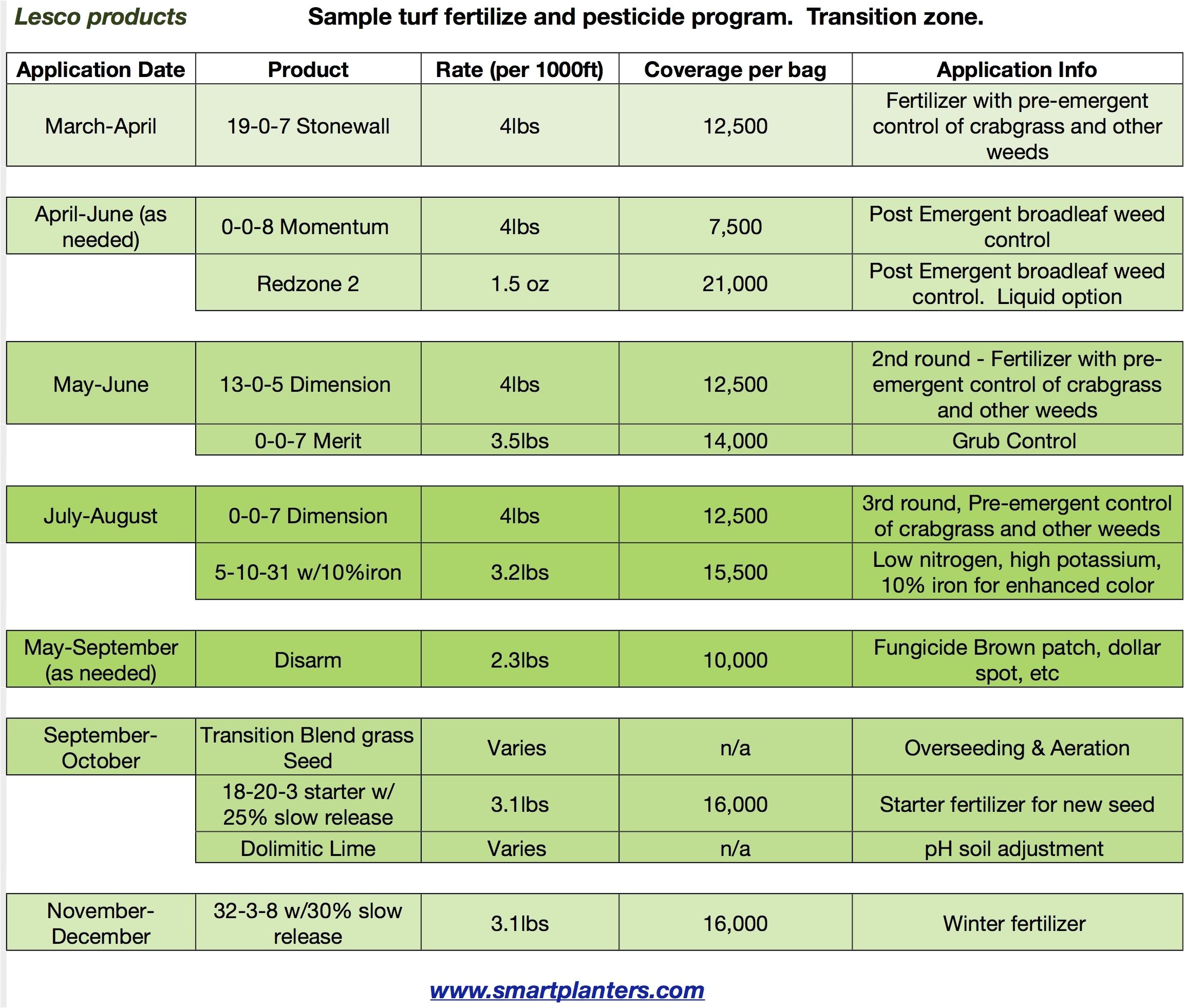
free download lesco lawn care program programs from scotts spreader settings comparison chart
Quick Scotts Spreader Settings Comparison Chart by Application Rate
Granular products generally publish target application weights based on pounds per one thousand square feet. When using standard Scotts broadcast and drop equipment, these general benchmarks keep application rates aligned with typical manufacturer guidelines:
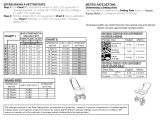
Low Rate Application (roughly two pounds per one thousand square feet): Set Scotts Rotary EdgeGuard Mini or DLX to 3. Set Scotts Classic Drop to 4. Set Scotts Elite to 3.
Standard Lawn Food Rate (roughly three to 3.5 pounds per one thousand square feet): Set Scotts Rotary EdgeGuard Mini or DLX to 4. Set Scotts Classic Drop to 5. Set Scotts Elite to 4.
Heavy Feeding and Weed and Feed Rate (roughly four to 4.5 pounds per one thousand square feet): Set Scotts Rotary EdgeGuard Mini or DLX to 5. Set Scotts Classic Drop to 6. Set Scotts Elite to 4.75.
Overseeding and Heavy Product Application (roughly five to six pounds per one thousand square feet): Set Scotts Rotary EdgeGuard Mini or DLX to 6.5. Set Scotts Classic Drop to 7.5. Set Scotts Elite to 6.
Scotts Elite spreaders feature dual rotators, requiring slightly tighter dial notches compared to single-rotor Mini and DLX models to achieve identical distribution.
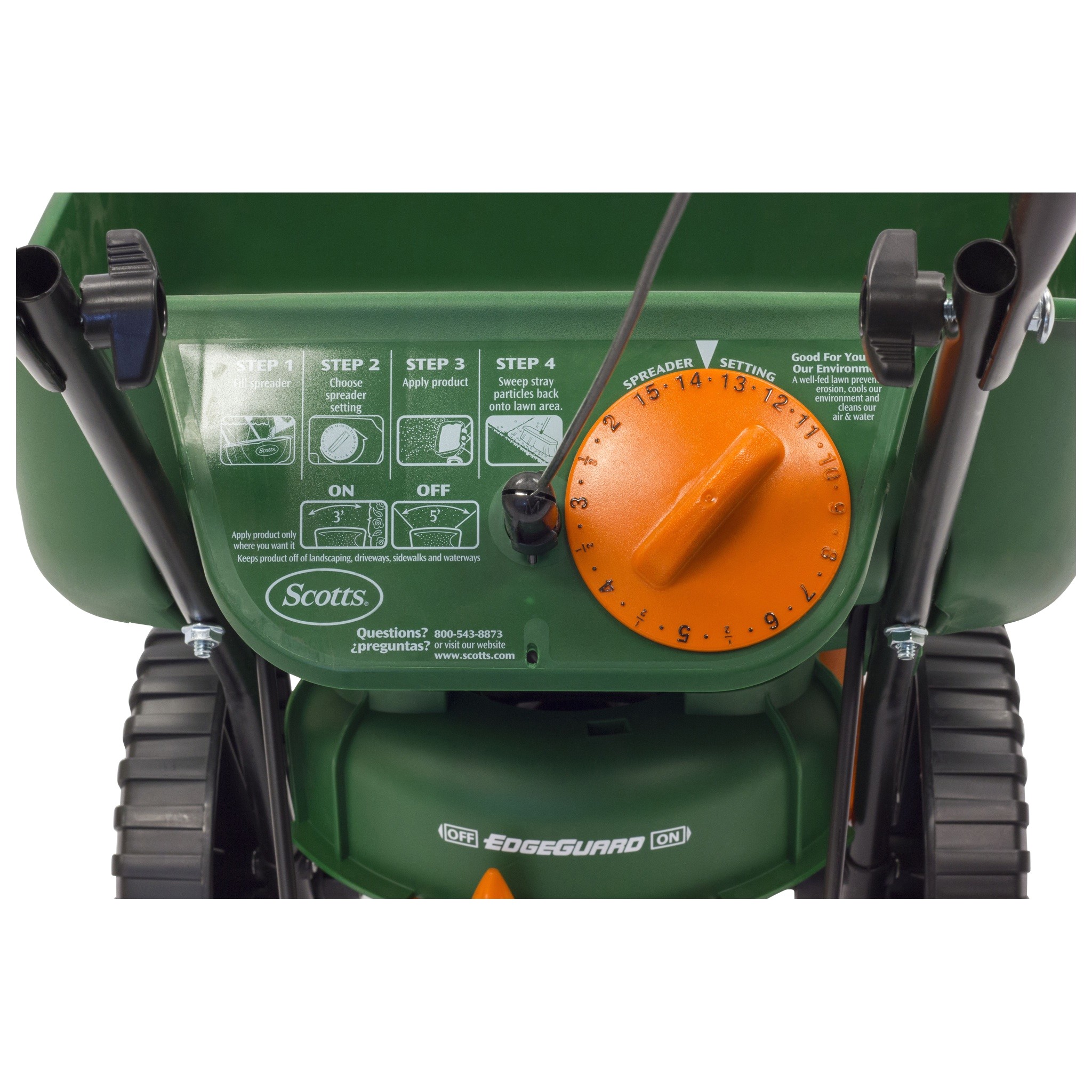
scotts turf builder edgeguard mini broadcast spreader from scotts spreader settings comparison chart
Converting Non-Scotts Products on a Scotts Spreader
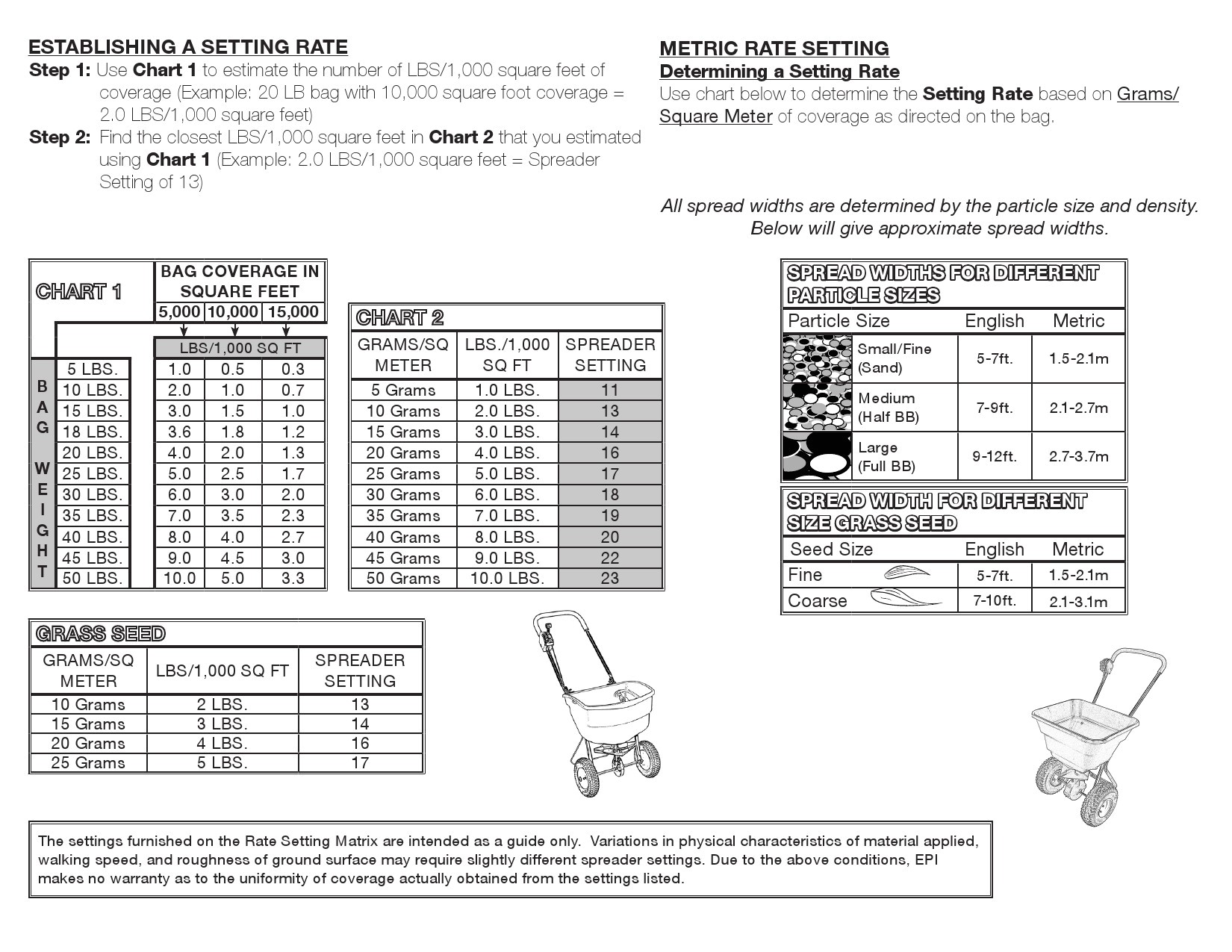
Many premium granular fertilizers from companies like LebanonTurf, Jonathan Green, or The Andersons do not print Scotts-specific calibration dials on their packaging. A Scotts spreader settings comparison chart helps translate competitor values into workable dial stops.
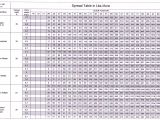
When a bag recommends EarthWay Rotary at 12 to 13: Adjust your Scotts rotary unit to 4.
When a bag recommends EarthWay Rotary at 14 to 15: Adjust your Scotts rotary unit to 4.5 or 5.
When a bag recommends Lesco Rotary at 12 to 14: Adjust your Scotts rotary unit to 4.
When a bag recommends Lesco Rotary at 15 to 16: Adjust your Scotts rotary unit to 4.75 or 5.
When a bag recommends Chapin Broadcast at 8 to 10: Adjust your Scotts rotary unit to 3.5.
When a bag recommends Chapin Broadcast at 12 to 14: Adjust your Scotts rotary unit to 4.5.
Always remember that rotary settings do not map directly to drop spreaders because drop units lack rotational momentum to clear material away from the hopper bed.
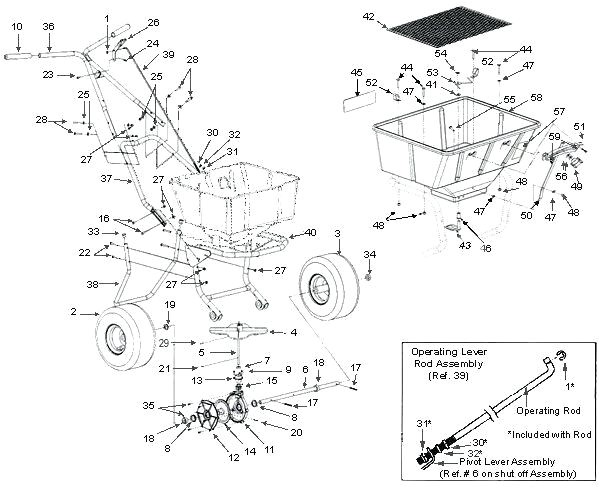
scott edge guard parts diagram house wiring diagram from scotts spreader settings comparison chart
How to Test and Calibrate Your Spreader at Home
Factory calibrations can slip after storage, repeated washing, or cable stretching. Confirming real-world output takes ten minutes and saves your yard from stripes or nitrogen burns.
Start by measuring out an area of one hundred square feet on your driveway, such as a ten-foot by ten-foot square. Take the product bag weight and divide it by the total square footage covered on the label, then multiply by one hundred. This calculation reveals the exact weight needed for your test zone.
Weigh that small sample on a kitchen scale and load it into your hopper. Walk the test grid at a steady pace of three miles per hour, which equates to a brisk walk. If product remains in the hopper after passing the perimeter, nudge the dial higher. If the hopper empties before the square finishes, back the dial down half a notch. Sweep up the granules afterward to avoid washing concentrated fertilizer into storm sewers.
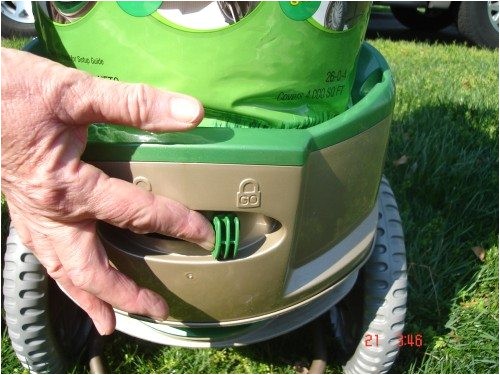
scotts snap lawn care system snap spreader review the from scotts spreader settings comparison chart
Essential Application Practices for Uniform Coverage
Achieving an even, streak-free green requires dependable walking habits alongside dial accuracy.
Keep your walking pace uniform throughout the pass. Broadcast spreaders rely on wheel speed to spin the internal impeller; slowing down narrows your swath and concentrates fertilizer in a tight line, while running causes wide, thin coverage.
Apply perimeter passes first along borders, driveways, and fence lines with the edge deflector engaged. Once the border ring is established, turn off the deflector and make parallel passes across the main turf. Aim the interior wheel track just inside the spray edge of the previous pass for optimal overlap.
Never fill or empty the hopper while standing on the grass. Accidental spills scorch root systems quickly. Fill equipment over a paved driveway where accidental granule drops can be swept up cleanly before watering.