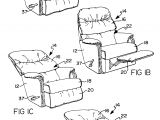
Nothing beats relaxing into a comfortable armchair at the end of a long afternoon, which makes it frustrating when that smooth reclining motion suddenly catches, sags, or jams completely. You do not always need to discard your favorite seat or spend hundreds on professional furniture restoration when mechanical issues arise. This practical Lazy Boy recliner repair manual walks you through straightforward troubleshooting steps, helping you diagnose mechanical hitches and get your chair functioning smoothly again using basic hand tools.
lazy boy recliner repair manual lazy boy recliner repair from lazy boy recliner repair manual
Safety Prep and Necessary Tools
Before diving into repairs, set up a clean, well-lit workspace. Recliner mechanisms house heavy steel springs and pivot joints that pinch fingers if triggered unexpectedly.
Keep these basic items on hand:
Screwdrivers: Standard Phillips head and flat-head
Pliers: Locking pliers and needle-nose pliers
Socket wrench set with standard metric and imperial sockets
White lithium grease or silicone-based dry lubricant (avoid standard household degreasers like WD-40, which attract dust)
A bright flashlight or headlamp
Heavy-duty work gloves
Always tilt the recliner forward onto its headrest or carefully flip it onto a clean blanket to inspect the undercarriage without scratching wood accents or ripping fabric.
Lazy Boy Recliner Repair Manual: Fixing the Tension Mechanism
One of the most frequent owner complaints involves a backrest that tilts too easily or feels stiff when leaning backward. The culprit is almost always improperly calibrated tension springs located at the base.
Inspecting the Wing Nuts and Springs
Flip your recliner forward so the underside faces up. Locate the pair of cylindrical tension springs running toward the back frame. Newer models feature adjustable thumb wing nuts on threaded rods connected directly to these springs.
Adjusting the Resistance
To tighten a loose recline: Turn the wing nuts clockwise a quarter-turn at a time. Equal adjustments on both sides ensure balanced support.
To loosen a stiff recline: Turn the wing nuts counterclockwise. Test the movement between adjustments so the tension fits your natural resting weight.
If a spring looks warped, stretched beyond its natural coils, or snapped entirely, write down your model number from the rear manufacturer tag and order an authentic factory replacement spring set.
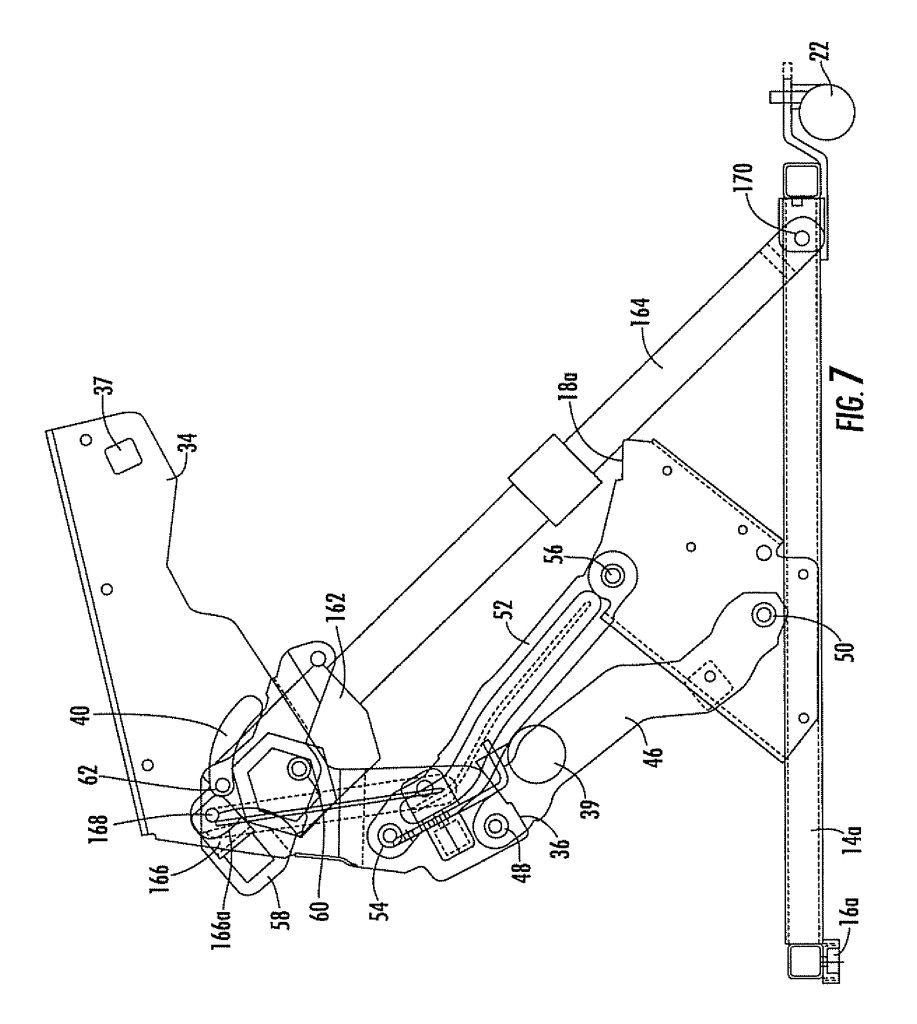
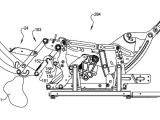
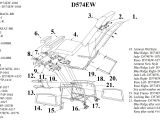
lazy boy rocker recliner parts diagram imageresizertool com from lazy boy recliner repair manual
How to Fix a Stuck or Drooping Footrest
A footrest that fails to lock into place or refuses to close completely points to problems along the scissor linkage bars.
Clearing Foreign Debris
Inspect the scissor brackets with your flashlight. Pet toys, dropped pens, TV remotes, and accumulated dust bunnies commonly lodge inside the folding metal joints, preventing mechanical latches from closing flush.
Tightening Loose Linkage Pivot Bolts
Continuous movement loosens assembly hardware over years of daily use. Examine every hinge point along the scissor assembly:
Look for missing or loose locking nuts along the scissor arms.
Tighten wobbly fasteners using a wrench while holding the opposing bolt stationary.
Check the square drive rod connected directly to the exterior handle. If the drive rod slips inside the handle housing, tighten the securing set-screw located underneath the handle base.
Replacing Snapped Ratchet Springs
Underneath the footrest linkage sits a small tension return spring. When this spring snaps or slips off its anchor hole, the footrest hangs limp. Hooking a replacement return spring into position with needle-nose pliers restores prompt closure.
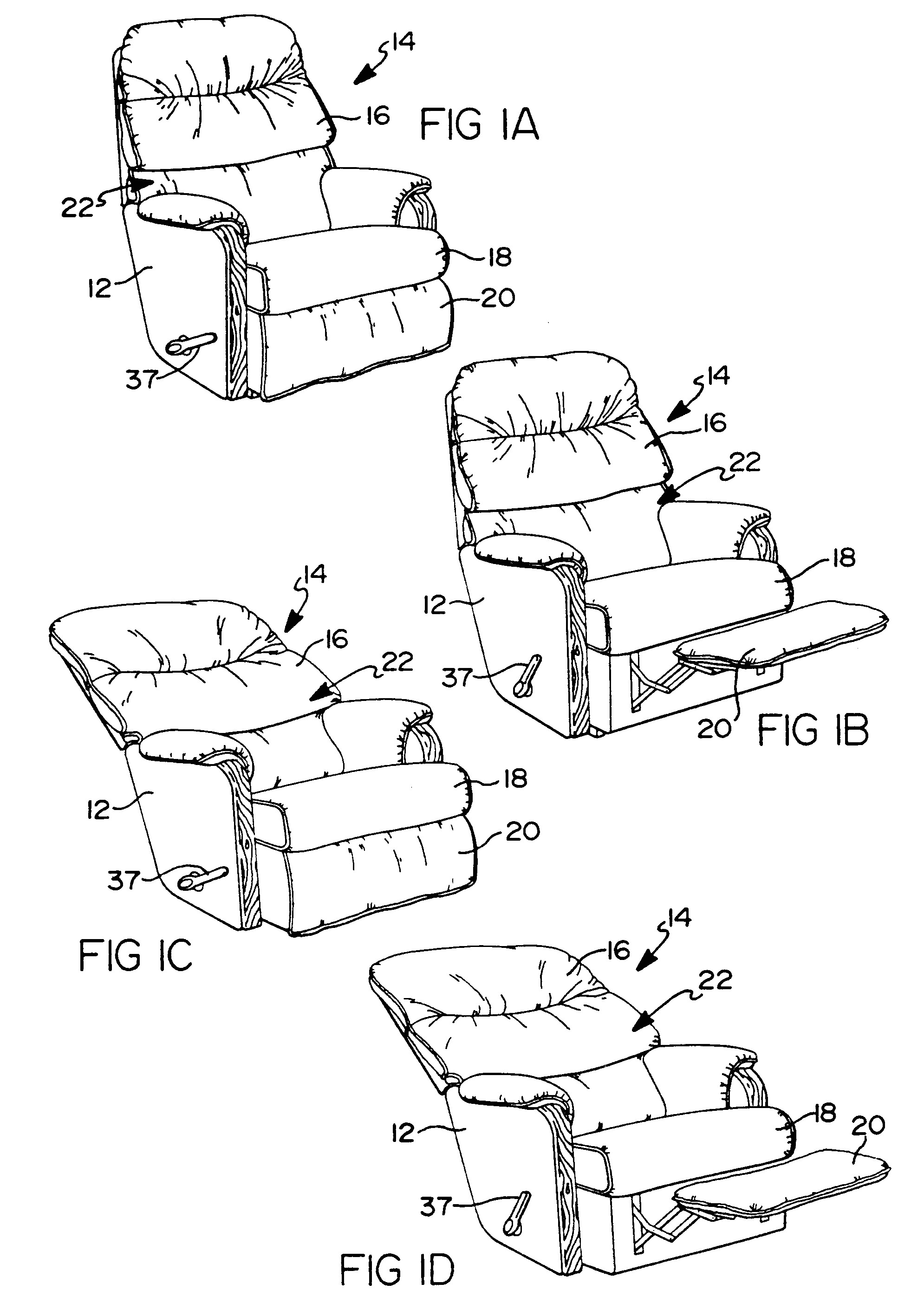
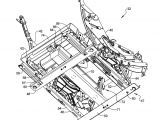
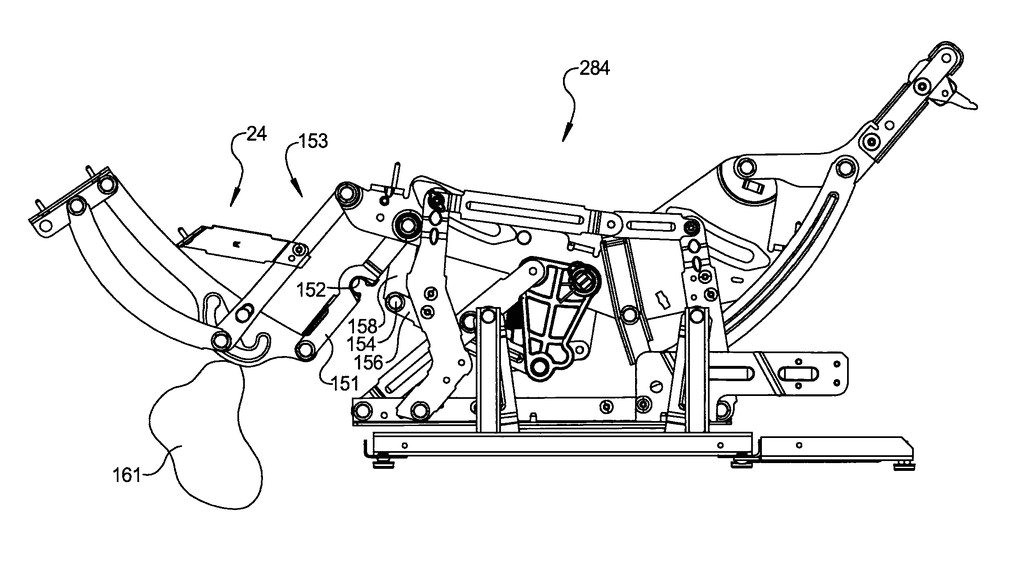
lazy boy recliner rest diagram lazy free engine image from lazy boy recliner repair manual
Silencing Squeaks and Lubricating Moving Joints
Loud squeaks, clicking noises, and grinding sensations rarely signal permanent damage; they usually indicate metal parts rubbing dry.
Dust off metal rails, rivets, and pivot points with a dry rag.
Apply a moderate coating of white lithium grease directly to pivot rivets and sliding channels.
Avoid spraying lubricant onto fabric, exposed wood, or foam padding.
Cycle the footrest open and closed multiple times to work the lubricant deeply into the joints.
Troubleshooting Power Recliner Motors and Switches
Electric power recliners require simple electrical checks alongside standard mechanical fixes.
Check Power Connections: Ensure the wall transformer connects securely to both the outlet and the back of the recliner base. Inspect power cords for crimping caused by shifting chair bases.
Verify the Transformer Light: Most modern transformers feature a small LED light. A dark LED usually means a blown transformer brick or a tripped surge protector.
Inspect the Hand Wand or Toggle Switch: If the motor hums faintly but fails to move, check for loose modular quick-connect wiring clips under the side pockets. If the motor makes zero sound, testing the switch circuit or replacing the remote control wand usually restores movement.
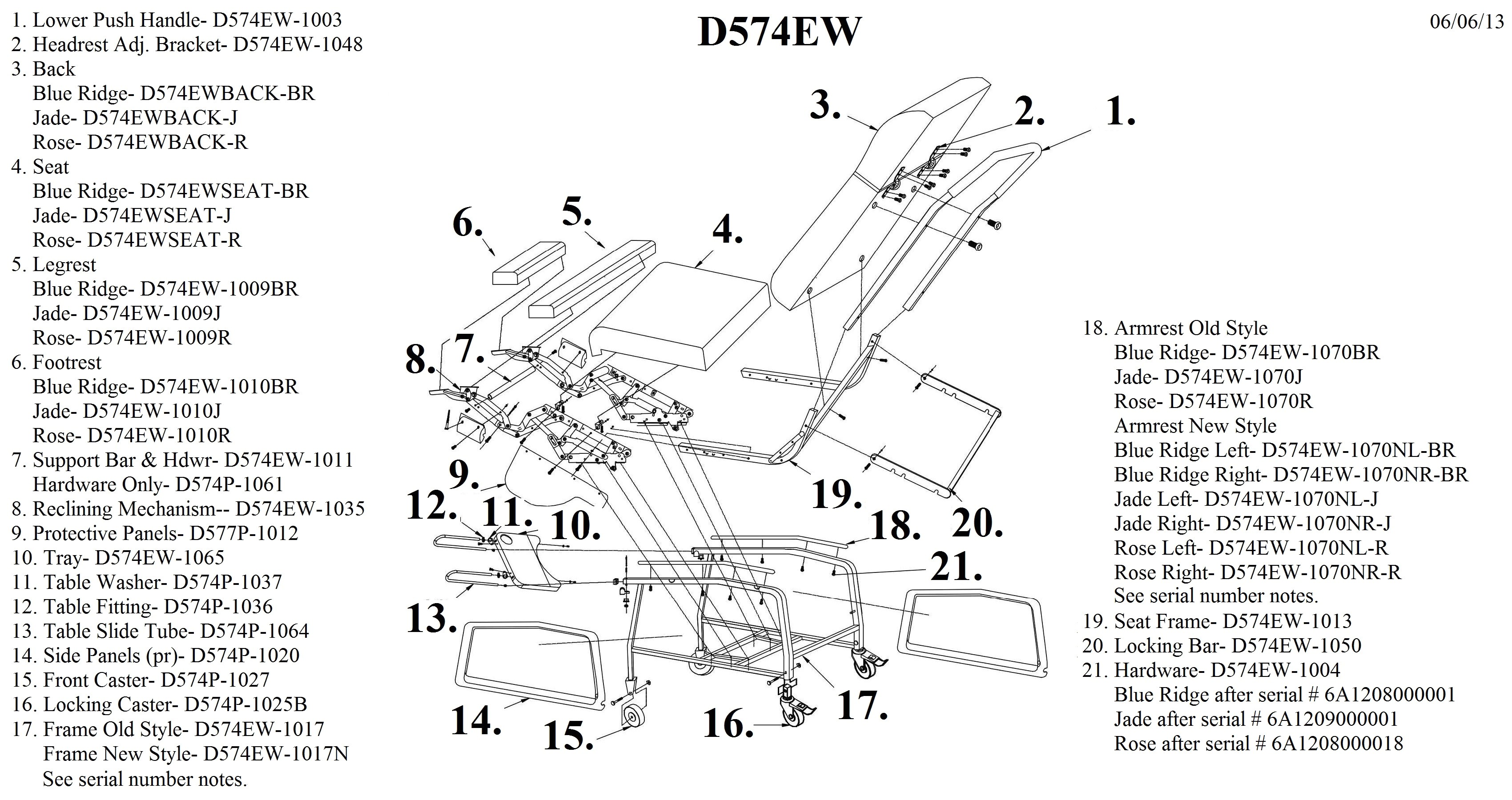
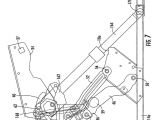
lazy boy rocker recliner parts diagram lazy free engine from lazy boy recliner repair manual
When to Contact Professional Support
While this guide covers typical household fixes, certain issues require professional service:
Bent steel linkage arms: Bending metal back by hand weakens structural integrity, making replacement linkages safer.
Cracked interior hardwood framing: Structural wood breaks require dowel reinforcement, wood glue, and clamp curing.
Burnt actuator motors: Electric actuator piston failures require a factory-spec direct replacement drive unit.
Taking time to clean out the undercarriage, tighten loose pivot bolts, and grease dry steel tracks every few months keeps your favorite chair functioning like new for years to come.