Getting a lush, barefoot-worthy lawn usually comes down to one simple step that many homeowners overlook: calibration. Dumping high-grade turf seed into your hopper and guessing the dial number is a surefire way to end up with sparse patches or striped burns across your yard. If you need a reliable Scotts spreader settings chart for grass seed, dialing in the right flow rate based on your spreader model and grass species makes the entire project hassle-free.
Different seed varieties feature distinct shapes, weights, and coating thicknesses. Coated seeds, such as those treated with moisture-retention layers, weigh significantly more and flow differently than bare, lightweight fine fescues. Let us break down how to set your gear correctly so every square foot receives the exact coverage it needs.
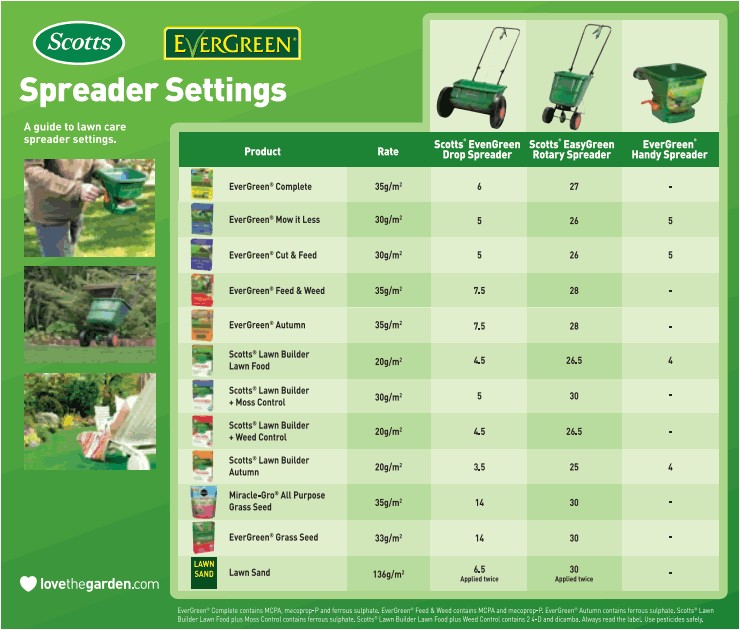
scott 39 s spreader settings chart related keywords scott 39 s from scotts spreader settings chart for grass seed
Scotts Spreader Settings Chart for Grass Seed by Model
Different Scotts units use different gate mechanisms. A setting of 4 on a handheld unit does not dispense the same volume as a setting of 4 on a wide commercial broadcast rig. Here are the baseline settings for popular grass varieties across the most common Scotts spreaders.
Scotts Whirl Handheld Spreader
Best for small patches, tight corners, and yards under 1,500 square feet.
Kentucky Bluegrass overseeding: set to 3
Kentucky Bluegrass bare lawn: set to 4.5
Perennial Ryegrass overseeding: set to 3.5
Perennial Ryegrass bare lawn: set to 5
Tall Fescue overseeding: set to 4
Tall Fescue bare lawn: set to 5.5
Bermudagrass overseeding: set to 2.5
Bermudagrass bare lawn: set to 4
Scotts Handy Green II Handheld Spreader
An ergonomic hand-crank classic for small front yards and spot repairs.
Kentucky Bluegrass overseeding: set to 2
Kentucky Bluegrass bare lawn: set to 3.5
Perennial Ryegrass overseeding: set to 3
Perennial Ryegrass bare lawn: set to 4.5
Tall Fescue overseeding: set to 3.5
Tall Fescue bare lawn: set to 5
Bermudagrass overseeding: set to 1.5
Bermudagrass bare lawn: set to 3
Scotts Turf Builder EdgeGuard Mini Broadcast Spreader
Designed for medium-sized lawns up to 5,000 square feet, featuring side-shield technology to keep seed out of garden beds.
Kentucky Bluegrass overseeding: set to 3.5
Kentucky Bluegrass bare lawn: set to 6
Perennial Ryegrass overseeding: set to 4.5
Perennial Ryegrass bare lawn: set to 7.5
Tall Fescue overseeding: set to 5.5
Tall Fescue bare lawn: set to 8.5
Bermudagrass overseeding: set to 3
Bermudagrass bare lawn: set to 5.5

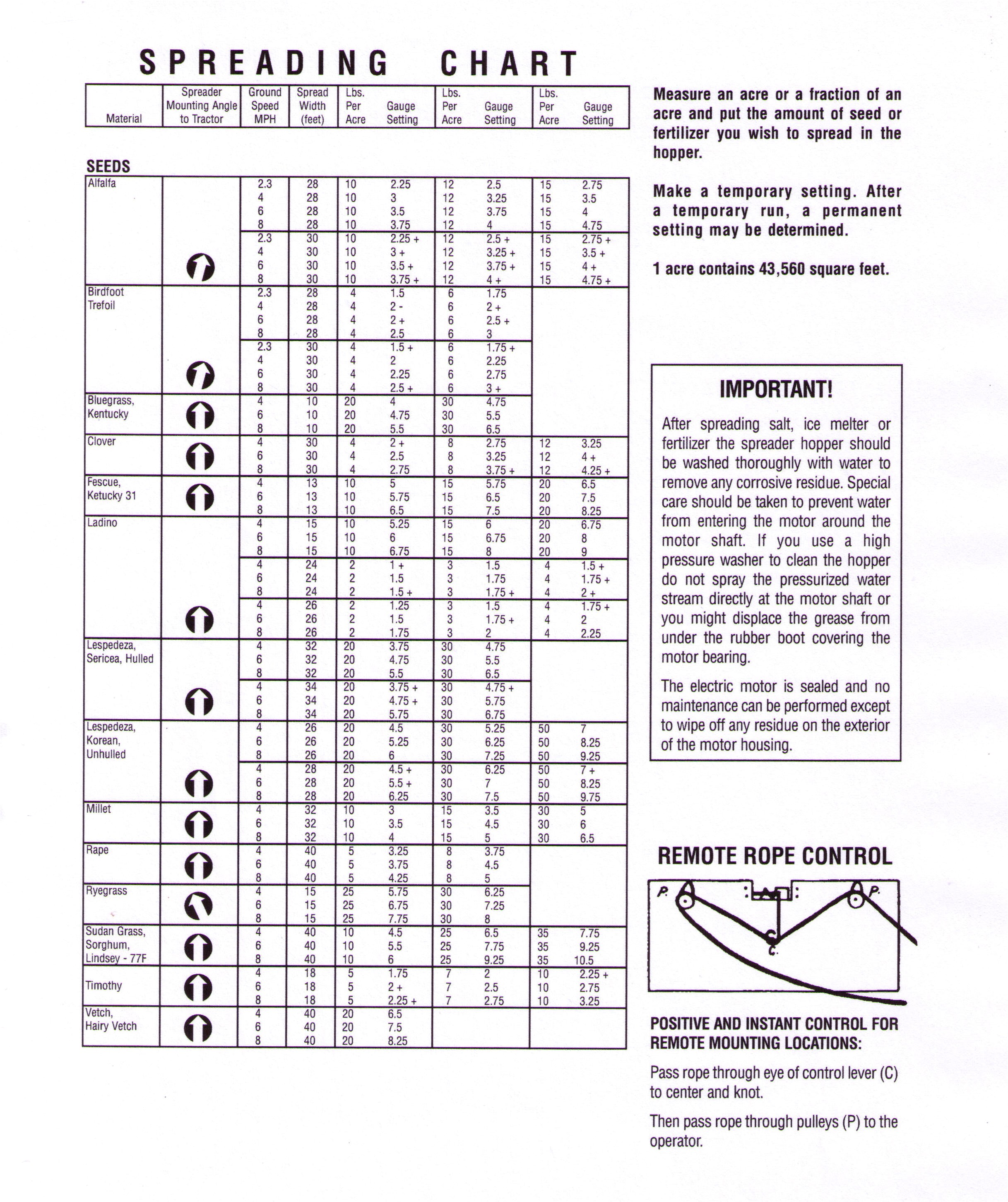
scott 39 s rotary spreader settings related keywords scott from scotts spreader settings chart for grass seed
Scotts Turf Builder EdgeGuard DLX and Elite Broadcast Spreaders
High-capacity rotary spreaders built for larger suburban lawns up to 15,000 square feet or more.
Kentucky Bluegrass overseeding: set to 3.5
Kentucky Bluegrass bare lawn: set to 6.5
Perennial Ryegrass overseeding: set to 5
Perennial Ryegrass bare lawn: set to 8
Tall Fescue overseeding: set to 6
Tall Fescue bare lawn: set to 9
Bermudagrass overseeding: set to 3.5
Bermudagrass bare lawn: set to 6
Scotts Turf Builder Classic Drop Spreader
Ideal for precision placement near walkways, flower beds, and property lines where flyaway seed creates weed problems later.
Kentucky Bluegrass overseeding: set to 4
Kentucky Bluegrass bare lawn: set to 7
Perennial Ryegrass overseeding: set to 5.5
Perennial Ryegrass bare lawn: set to 8.5
Tall Fescue overseeding: set to 6.5
Tall Fescue bare lawn: set to 9.5
Bermudagrass overseeding: set to 3.5
Bermudagrass bare lawn: set to 6.5
Why Your Grass Seed Type Matters
Seed size dictates flow rate. Kentucky Bluegrass produces minuscule, dust-like seeds that slip through tiny gate openings with minimal resistance. Tall Fescue seeds, on the other hand, are elongated, fibrous, and prone to bridging over the hopper chute if your dial opening is too restricted.
Coated seeds, like Scotts Turf Builder Rapid Grass or WaterSmart lines, contain starch and nutrient jackets. These coatings add roughly 50 percent more physical mass to each grain. Always check your specific bag label, because coated varieties require a higher numerical setting to dispense the exact same seed count per square foot as un-coated alternatives.

spreaders spreadersetting sd3 settings surf the turf from scotts spreader settings chart for grass seed
How to Calibrate Your Spreader at Home
Factory calibrations can slip over time as cables stretch and plastic parts wear down. Before dumping an entire twenty-pound bag of premium seed into your hopper, run this simple calibration routine:
Measure out a clear, dry concrete driveway section that is 10 feet wide by 10 feet long, creating a test area of 100 square feet.
Check your seed bag for the recommended rate per 1,000 square feet. Divide that number by 10 to find your target weight for the test area.
Weigh that exact test portion on a kitchen scale and dump it into your empty spreader.
Set your dial to the recommended baseline number.
Walk your test section at a standard pace of about three miles per hour while engaging the trigger.
Check the hopper: if the bin empties right as you reach the finish line, your dial is spot on. If seed remains, bump the setting up half a notch. If it emptied too early, drop the dial down half a notch. Sweep the seed up and pour it back in so nothing goes to waste.
The Half-Rate Application Trick for Flawless Results
Professional turf managers rarely apply their full seed allocation in a single pass. If your target dial setting is 6, dial the spreader back to 3.5 instead.
Walk your lawn making north-to-south parallel tracks until half your seed inventory is spread across the property. Then, fill the hopper with the remaining seed and cover the exact same lawn area walking east-to-west perpendicular tracks.
This crisscross technique guarantees zero missed lines, softens overlapping edges, and prevents the dreaded checkerboard pattern that ruins an otherwise clean seeding job.
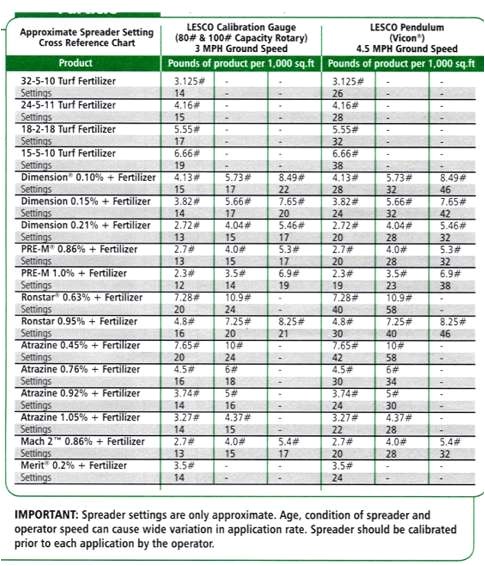
lesco spreader lawnsite from scotts spreader settings chart for grass seed
how to fertilize lawn when to fertilize diy fertilizer faq 39 s from scotts spreader settings chart for grass seed
Expert Spreading Tips for Healthy Germination
Always fill the hopper on your driveway or patio, never on the grass. Spills happen, and concentrated seed heaps can rot or suffocate underlying roots.
Release the hand trigger before you stop walking or make a turnaround. Lingering in place with an open gate creates heavy piles.
Maintain a steady, brisk walking pace. Walking too slowly dumps excess seed, while jogging starves the drop zone.
Clean your spreader thoroughly after every use. Wipe dust and seed debris from the agitator bar and gate sliding rails to stop moving parts from sticking during your next seasonal project.


