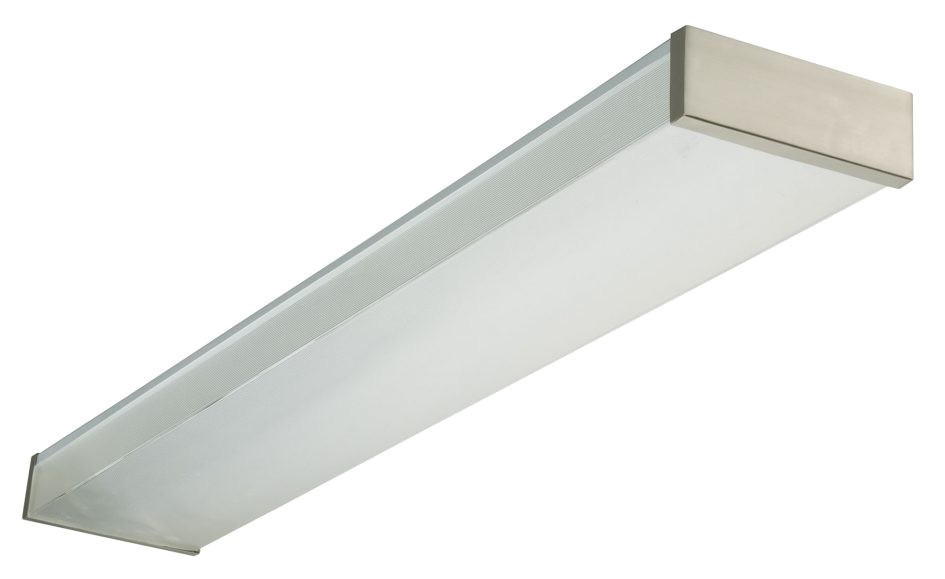
Walking into a basement, garage, or laundry room only to be greeted by a cracked, yellowed plastic light fixture is a common homeowner headache. Over years of exposure to heat and ultraviolet rays, standard prismatic diffusers become brittle, warp, or shatter during routine tube replacements. Instead of tearing down the entire fixture and hiring an electrician, getting replacement wraparound fluorescent light covers is the fastest, most budget-friendly way to restore clean, glare-free illumination.
Finding an exact match can feel tricky because manufacturers change designs frequently, and many older lighting brands no longer exist. However, once you know how to measure the lens profile and choose the right material, picking the right replacement is straightforward.
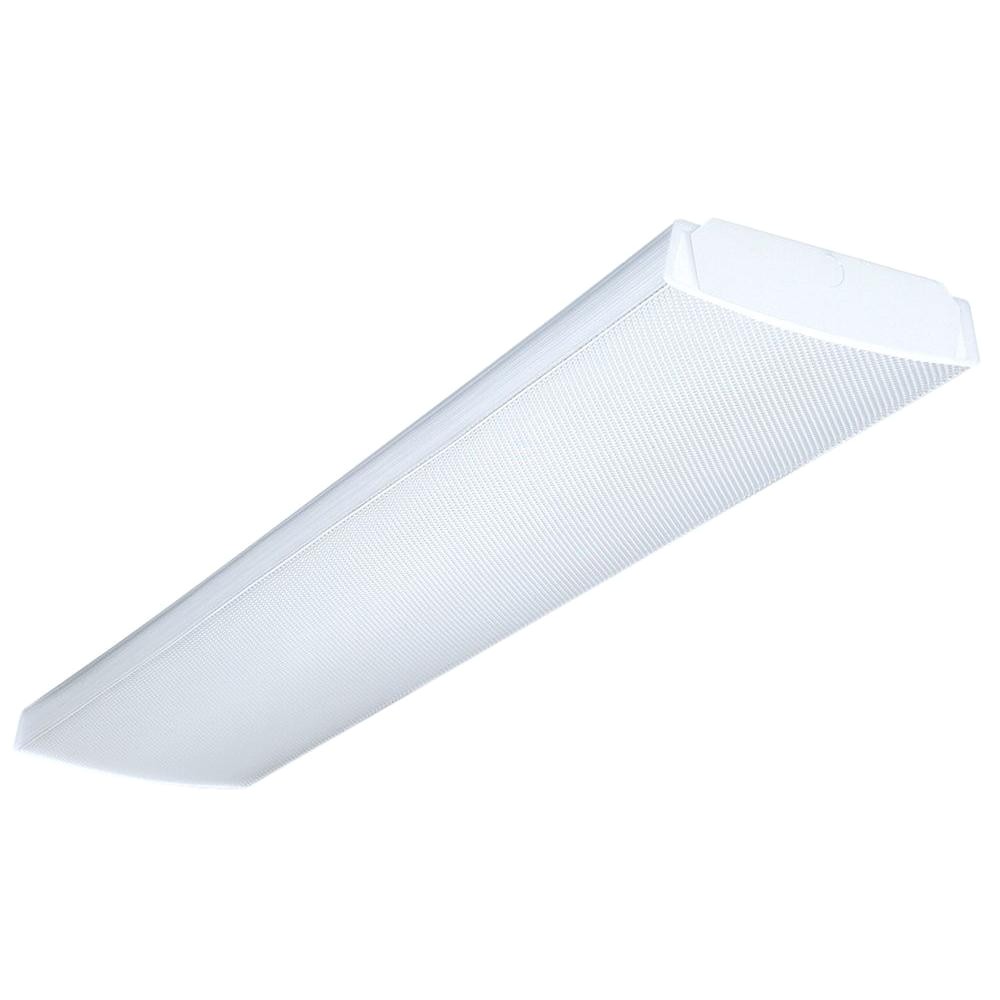
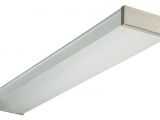
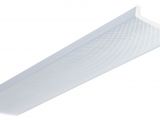
lithonia lighting 4 ft 4 light fluorescent wraparound from replacement wraparound fluorescent light covers
Why Replacement Wraparound Fluparound Light Covers Make a Big Difference
Diffusers do far more than hide bare fluorescent tubes. They disperse harsh hotspots into even ambient light, protect tubes from dust, grease, and accidental bumps, and keep bugs away from internal wiring.
When an old cover yellows, it can cut light output by up to thirty percent, making your workspace look dull and dated. Swapping in a fresh cover instantly brightens the room, improves energy efficiency by letting full lumens pass through, and makes an older fixture look brand new for a fraction of the cost of total fixture replacement.
How to Accurately Measure Replacement Wraparound Fluorescent Light Covers
The single biggest mistake people make when ordering covers online is guessing the dimensions. Wraparound covers snap or slide over the metal housing, meaning even a quarter-inch difference can keep the lens from securing properly.
Follow these measurement steps before ordering:
Overall Length: Measure the long edge of the metal fixture or the surviving lens from tip to tip. Standard lengths are usually two feet, four feet, or eight feet.
Overall Width: Measure across the widest point of the fixture base where the lens grips the chassis. Common widths range between six inches for two-lamp fixtures to twelve or fifteen inches for four-lamp setups.
Depth or Drop: Measure how far down the lens hangs from the ceiling or fixture base.
Distance Between Flanges: If your lens has interior locking rails or lips that hook over the metal channel, measure the distance between those inner lips. This is often the most critical dimension for snap-on models.
If your original cover broke into pieces, gather the fragments of one end to trace the cross-section profile on a sheet of paper. Comparing that profile outline against online dimension diagrams makes finding an identical match much easier.
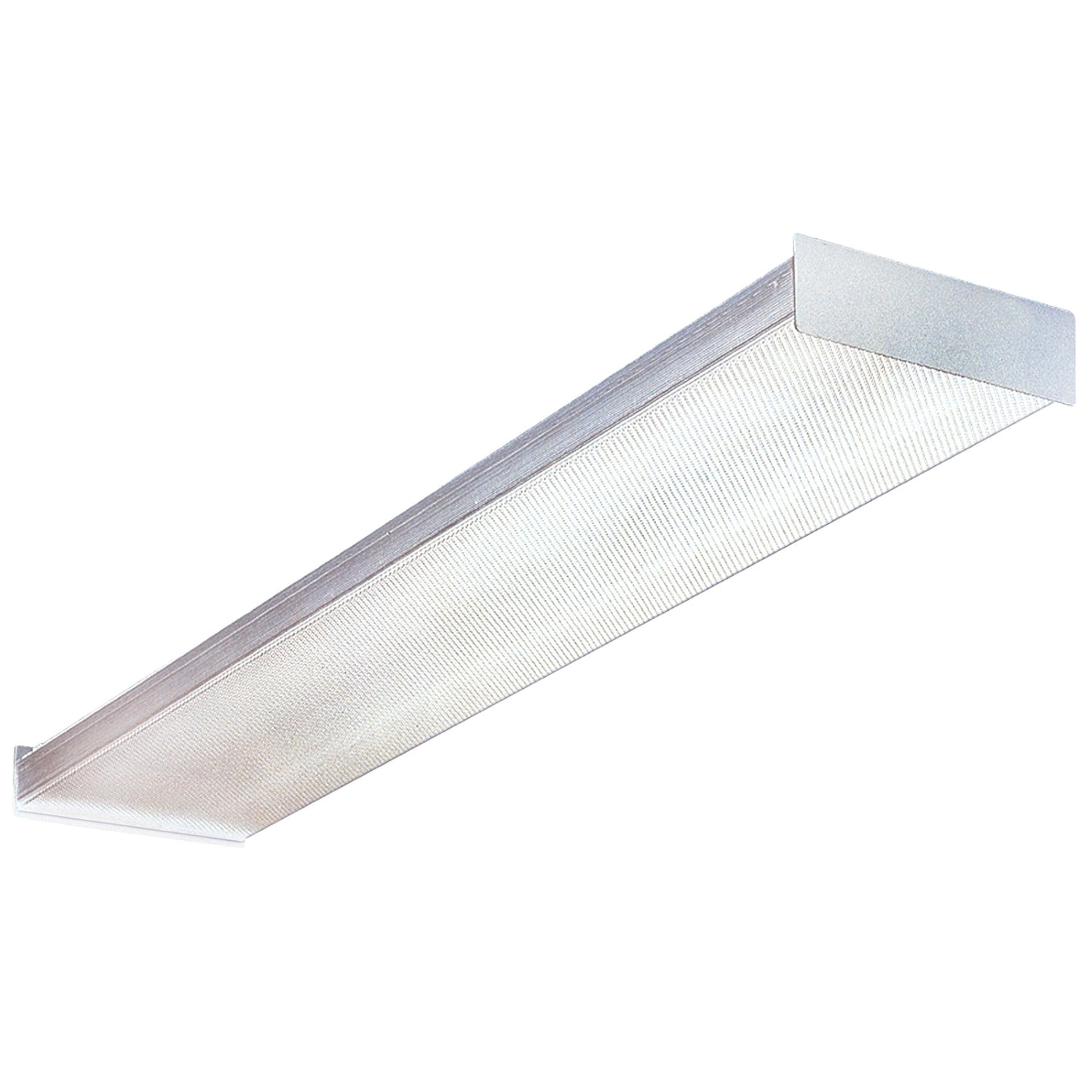
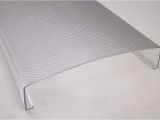
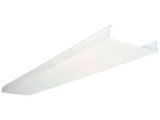
lithonia lighting 4 foot fluorescent wraparound light from replacement wraparound fluorescent light covers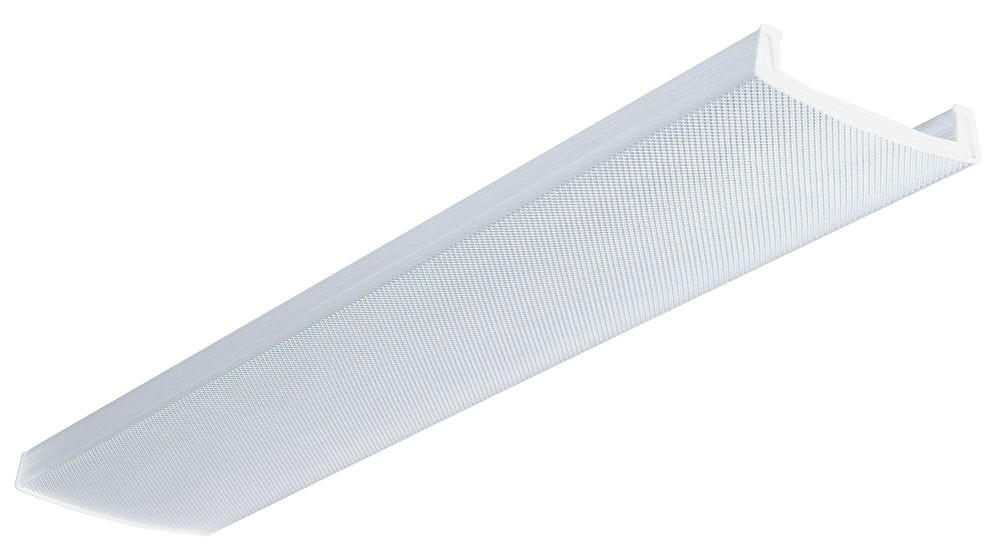
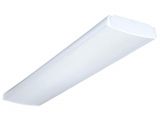
lithonia lighting 2 light wraparound lens cover ebay from replacement wraparound fluorescent light covers
Choosing Between Acrylic and Polycarbonate Materials
Most wraparound lenses come in clear or frosted prismatic patterns, but the base material matters depending on where the light is installed.
Prismatic Acrylic
Acrylic is the standard choice for kitchens, residential basements, and general office spaces. It offers exceptional clarity, allows maximum light transmission, and naturally resists yellowing over decades of use. While acrylic is rigid and durable under normal circumstances, it can crack if struck hard by a ladder or stray tool.
Polycarbonate
Polycarbonate is virtually unbreakable. If your light fixtures sit in a high-traffic garage, workshop, gymnasium, or warehouse where flying debris or accidental impacts happen, polycarbonate is worth the extra investment. It withstands heavy physical shock without shattering, though it is slightly more prone to surface scratching and gradual UV discoloration over very long periods compared to pure acrylic.
Step-by-Step Installation Tips
Installing a wraparound lens requires minimal effort, but working overhead requires patience:
Turn off the power switch to prevent any electrical surprises while handling the fixture.
Wipe down the metal housing and wipe dust off the fluorescent tubes with a dry microfiber cloth.
Identify the mounting method. Most covers either slide in from one open end or hook over one side rail and snap firmly over the opposite lip.
If snapping into place, hook one long edge completely into the fixture channel, gently flex the center of the lens outward, and guide the second edge over the remaining flange until it clicks home evenly along the length.
Avoid forcing corners. If the lens feels too tight, double-check that no internal wiring or ballast covers are obstructing the track.
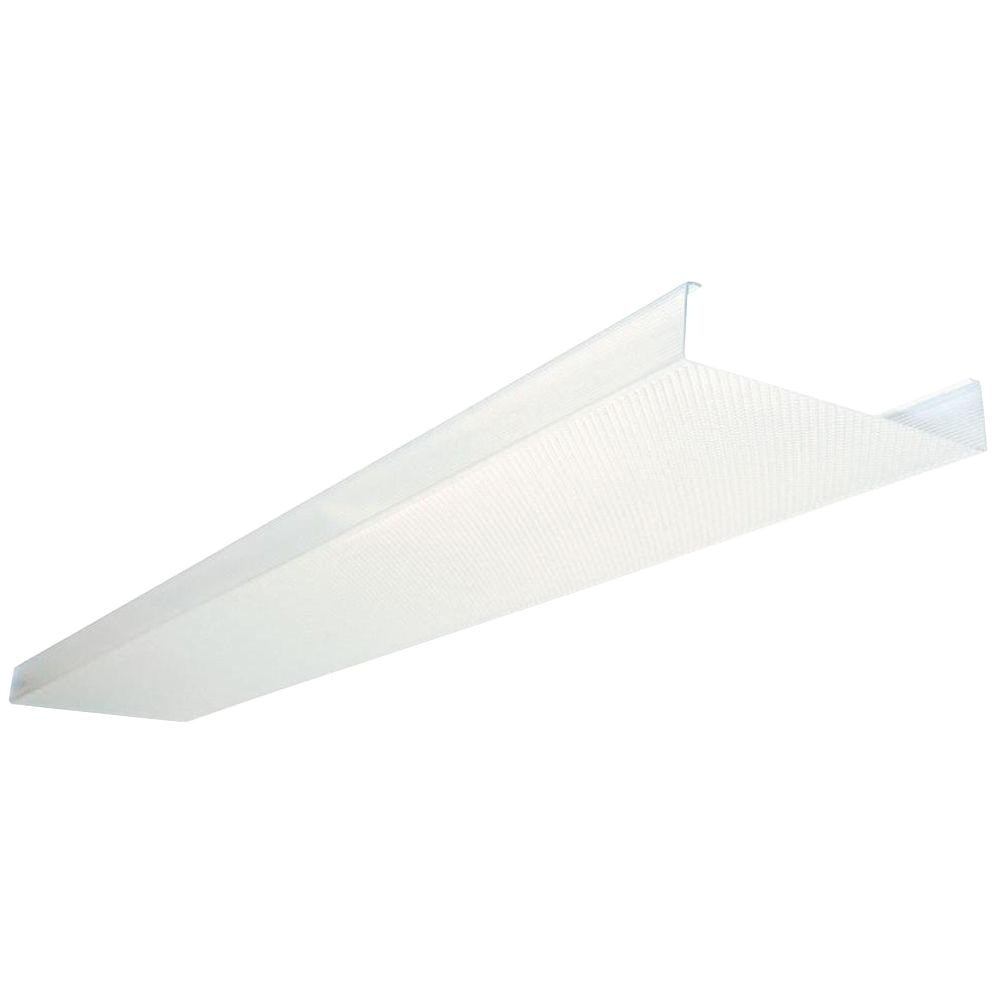
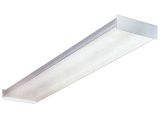
lithonia lighting 4 ft replacement lens dsb48 m4 the from replacement wraparound fluorescent light covers
Should You Upgrade to LED at the Same Time?
Since you already need to take down the old diffuser, this is the perfect time to ditch outdated T12 or T8 fluorescent tubes. Modern plug-and-play or ballast-bypass LED tubes run significantly cooler than magnetic ballast fluorescents. Because excess heat is the primary culprit behind warped and discolored plastic, pairing new LED tubes with fresh replacement covers guarantees your new acrylic diffusers will stay crystal clear for many years to come.